Mastering Personal Budget Expense Categories
Master personal budget expense categories to take control of your finances. Learn how to categorize and track for better financial health.
Budgeting is like trying to solve a jigsaw puzzle with invisible pieces. You know they're all there, but sometimes it feels impossible to get everything to fit together just right. One of the most crucial pieces of that puzzle is understanding your personal budget expense categories. Without this, your budget is like a ship without a rudder—good luck getting anywhere!
Why Categorizing Expenses Matters
When I first started budgeting, I made the classic mistake of lumping expenses together and hoping for the best. Spoiler: it didn't work. Understanding where your money is going is essential to gain control over your finances. Categorizing your expenses helps you see patterns, identify wastage, and allocate resources better. In Master Money Management: Expense & Budget Tips, they stress the importance of having a clear view of every dollar spent.
Think of categories as the labels you put on storage bins. It’s so much easier to find what you need when everything is neatly labeled and in its place.
Common Personal Budget Expense Categories
Here are some typical categories that you might include in your personal budget:
Housing
This is usually the biggest slice of the pie. It includes mortgage or rent, property taxes, and home insurance. In my own experience, it's the first thing I put money aside for each month.
Utilities
Electricity, water, gas, trash collection, and maybe even that sneaky cable bill you meant to cancel six months ago. These costs tend to be predictable, which is a budgeting blessing.
Transportation
Gas, car payments, public transit, or ride-sharing expenses. Don't forget car insurance and maintenance costs. I once ignored a small tire issue until it became an expensive problem. Lesson learned.
Food
Split this into groceries and dining out. It’s easy to overspend here. I used to spend $400 a month on groceries, until I realized a lot of it was going to waste. Now, I plan meals better.
Health
This includes health insurance, medications, and doctor visits. Keeping this category in check is crucial for unexpected medical expenses.
Debt Repayment
Credit cards, student loans, or personal loans. A necessary evil, but structured repayment can help you become financially free sooner.
Entertainment
Movies, concerts, streaming services. Keep it reasonable. It's easy to go overboard in this area.
Savings
Pay yourself first, as they say. This includes emergency savings, retirement accounts, and any other long-term goals. If you're struggling with keeping track of savings goals, check out the Master Savings Goals with a Savings Goal Tracker.
How to Decide on Your Categories
When you're starting fresh, it might feel overwhelming to decide what categories to use. Remember, there's no one-size-fits-all. Your lifestyle will dictate your categories. Ask yourself: What are my non-negotiable expenses? Where do I want to cut back? What are my financial goals?
For a deeper dive, you might find Mastering Budget Expense Categories: A Practical Guide useful.
How Can I Stick to My Budget?
Sticking to a budget takes discipline and a bit of trial and error. Here’s what works for me:
- Automate savings and bills: Use tools or apps to automate as much as possible. You remove the temptation to spend money that’s already 'spent'.
- Regular reviews: Set a monthly 'finance date' with yourself. Review your budget, adjust categories, and make sure everything’s aligning with your goals.
- Use a budgeting app: There are some great tools out there that can help. If you're into apps, Reddit's Best Budget Apps: Honest Comparisons can help you find one that suits your style.
If you want something that handles this automatically, KlutterAI helps you categorize and track expenses effortlessly.
How do I Create a Budget Spreadsheet?
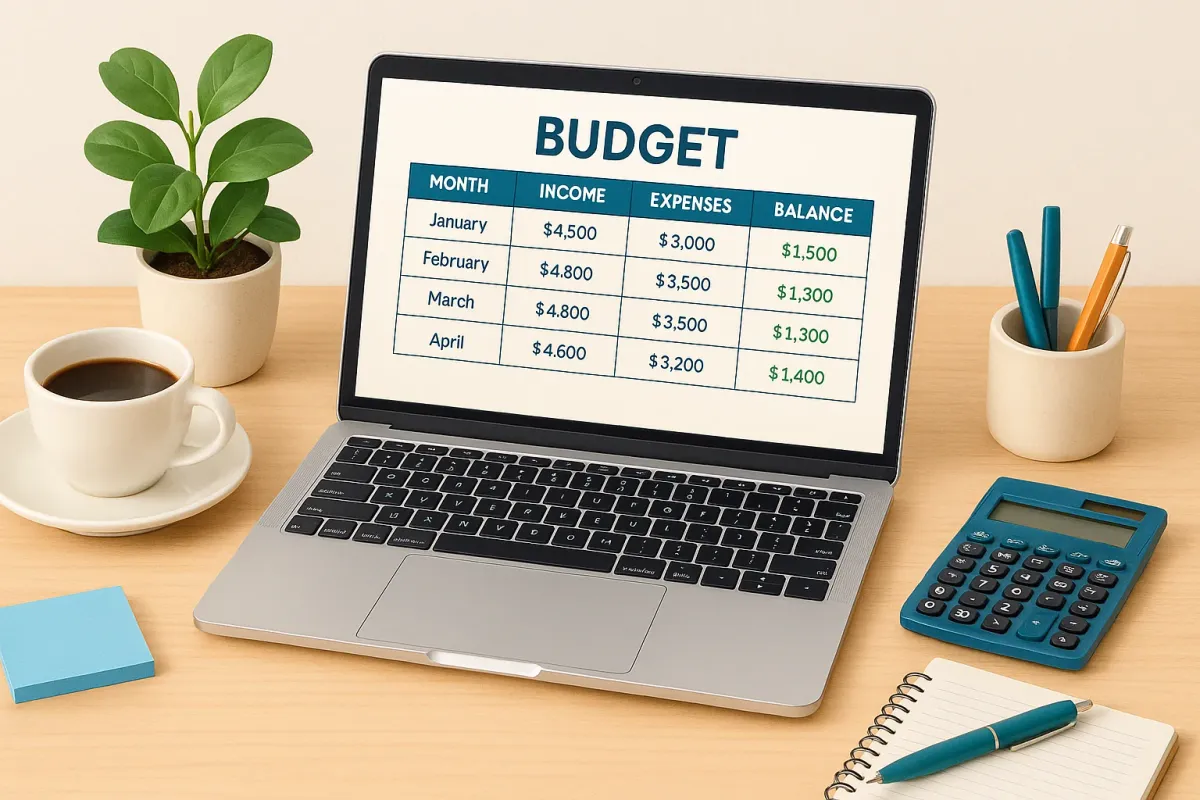
Creating a budget spreadsheet can be a great way to visualize your expenses. Start by listing categories down the side and months across the top. Fill in expected expenses and adjust as you go. Excel and Google Sheets have templates, or you can create one from scratch.
Frequently Asked Questions
What are the most important personal budget expense categories?
The most important categories often include housing, utilities, transportation, food, and savings. These are essential expenses that usually take up the largest portion of your budget.
How many categories should a personal budget have?
It varies by individual, but 10-15 categories is a good range. Too few categories can obscure where money is going, while too many can make tracking overwhelming.
How do I categorize my expenses?
Start by tracking your spending for a month, then group them into common themes like housing, food, and transportation. Adjust categories as needed based on spending patterns.
How do I stick to my personal budget?
Regularly review and adjust your budget, automate savings, and use a budgeting tool to keep track. Discipline and consistency are key.
Can I change my budget categories?
Absolutely! Your life and financial situation will evolve over time, so your budget should too. Adjust categories and amounts as needed.
Remember, understanding your personal budget expense categories is like wielding a financial flashlight. It illuminates your path and helps you make informed decisions. Happy budgeting!