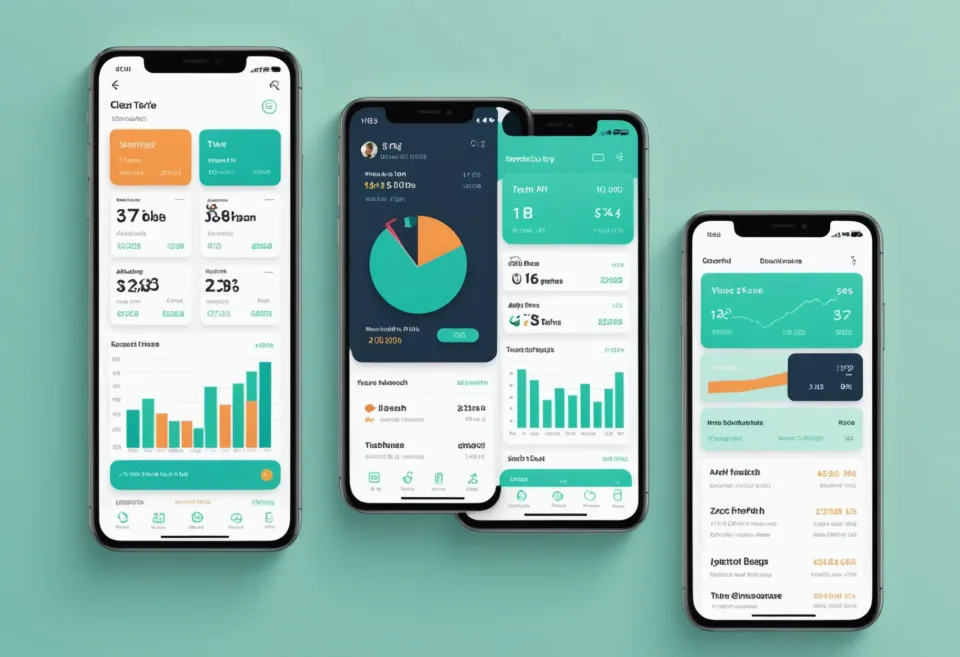
Flex Budgeting: Simplify Spending With One Number
Flex budgeting simplifies spending by using one number for variable expenses. Learn how to set it up and make your life less stressful.

Imagine this: no more juggling multiple expense categories, no spreadsheets covered in numbers, just one simple figure guiding your entire spending life. That's the beauty of flex budgeting. The concept is straightforward but revolutionary for those of us who find traditional budgeting cumbersome. Let’s unpack how you can simplify your spending with flex budgeting.
What is Flex Budgeting?
Flex budgeting is like the minimalist wardrobe of financial planning—a single outfit that fits all. Instead of dividing your income into a dozen different categories, you allocate one number to cover all your variable expenses for the month. Think of it as your financial play money for groceries, dining out, entertainment, and even spontaneous purchases.
The idea is to cover your fixed expenses first—rent, mortgage, utilities—and then focus on a single monthly spending figure for everything else. This approach allows you to be more adaptable and react better to life’s little surprises.
How to Set Up a Flex Budget
Creating a flex budget is surprisingly simple. Here’s a step-by-step guide:
- Calculate Your Total Income: Start with your monthly take-home pay. This is the foundation of your budget.
- Deduct Fixed Expenses: Subtract all your non-negotiable expenses like rent, utilities, insurance, and minimum debt payments. Let’s say these amount to $2,500.
- Determine Your Flex Number: Whatever’s left is your flex budget for the month. If your income is $4,000 and your fixed expenses are $2,500, you have $1,500 for everything else. This is the number you’ll monitor closely.
- Track Your Spending: Keep tabs on your expenditures to ensure you’re staying within your flex number. It’s less about detailed categorization and more about knowing your limits.
For those who need a little extra help, KlutterAI can automate the tracking, ensuring real-time updates and adjustments.
How Much Should I Allocate to My Flex Budget?
It really depends on your lifestyle and financial goals. Typically, if you’re aiming to save more aggressively, you might want to keep your flex number lean. For instance, you could set aside 20-30% of your total income for flex spending.
Using tools like the NerdWallet Budget Calculator can help you get a clearer picture of how much you should be allocating based on your specific financial situation.
Pros and Cons of Flex Budgeting
Pros
- Simplifies Budgeting: No need to stress over numerous categories, just one number to track.
- Adaptability: Allows you to adjust spending based on real-time needs and priorities.
- Less Restrictive: Frees you from feeling guilty about spending in specific categories.
Cons
- Requires Discipline: You have to be vigilant about staying within your flex number.
- May Miss Details: Lack of detailed categories could mean missing out on insights about your spending habits.
Real-Life Example of Flex Budgeting
Let’s say Sarah’s monthly income is $5,000. Her fixed expenses (mortgage, utilities, etc.) total $3,000. She decides to set a flex budget of $1,500, leaving her with $500 for savings or debt repayment. Sarah uses her flex budget for groceries, dining out, and any entertainment.
By utilizing a simplified approach, Sarah finds she’s less stressed about money and more able to adapt when unexpected expenses arise, like a last-minute trip or a special dinner with friends.
Frequently Asked Questions
What is a flex budget in personal finance?
A flex budget is a simplified budgeting method that consolidates all variable spending categories into one single monthly spending number, making it easier to manage and adapt.
How does flex budgeting differ from traditional budgeting?
Traditional budgeting splits spending into numerous categories like groceries, dining, and entertainment, while flex budgeting uses one number for all variable expenses, simplifying the process.
Is flex budgeting suitable for everyone?
Flex budgeting works best for those who prefer simplicity and flexibility. It might not be ideal for detail-oriented people who like to track every cent.
Can flex budgeting help with savings?
Yes, because it frees up mental space and reduces stress, allowing you to focus more on your savings goals.
What tools can help manage a flex budget?
Tools like KlutterAI are great for automating the tracking and adjustments of your flex budget in real-time.
If you want something that handles this automatically, KlutterAI does all the tracking and adjustments effortlessly.