Mastering Budget Expense Categories: A Practical Guide
Master budget expense categories to take control of your finances. Learn how to set up categories, track expenses, and adjust for financial success.
Ever look at your bank account and wonder where all your money went? Yeah, me too. Budgeting can feel like trying to catch water with a sieve if you don't have your expense categories nailed down. Trust me, it's not just about numbers — it's about giving each dollar a job.
Understanding Budget Expense Categories
The first step in mastering your budget is understanding the different expense categories. Think of these as the buckets into which all your spending falls. You've got your essentials like housing, utilities, and groceries — the things you can't live without. Then, there are the fun categories like entertainment, dining out, and that gym membership we all pretend to use more than we actually do.
In my experience, breaking down your expenses into clear categories helps spot where you're overspending and where you might have some wiggle room. If you're just starting out, you might find these 23 budget categories a helpful guide.
Why Are Budget Categories Important?
Without budget categories, your financial plan is like a road trip with no map. Categories give you direction and help you prioritize spending. They also make it easier to adjust when life throws a curveball — like that surprise car repair or a last-minute family visit.
Keeping your categories consistent month-to-month can help you track spending patterns. You’ll start noticing trends — maybe you're splurging on takeout more often than not, or your utility bill spikes during the winter months. Recognizing these patterns is key to adjusting your budget and ensuring it aligns with your financial goals.
How to Set Up Your Budget Expense Categories
Ready to get started? Here's a simple way to set up your budget categories:
- List Your Expenses: Write down everything you spend money on in a month. Be detailed — every coffee, every subscription.
- Group Similar Expenses: Put related expenses into categories. For example, group rent, mortgage, and property taxes under "Housing."
- Prioritize Your Categories: Decide which categories are non-negotiable and which ones can be trimmed if necessary. Essentials like housing and groceries should come first.
- Set Budget Amounts: Assign a budget amount to each category based on past spending and income. This is where a Google Sheets personal budget template can be incredibly handy.
- Track Your Spending: Use apps or sheets to monitor your actual spending against your budget. KlutterAI can automate this process, making it less of a chore.
How Much Should I Budget for Each Category?
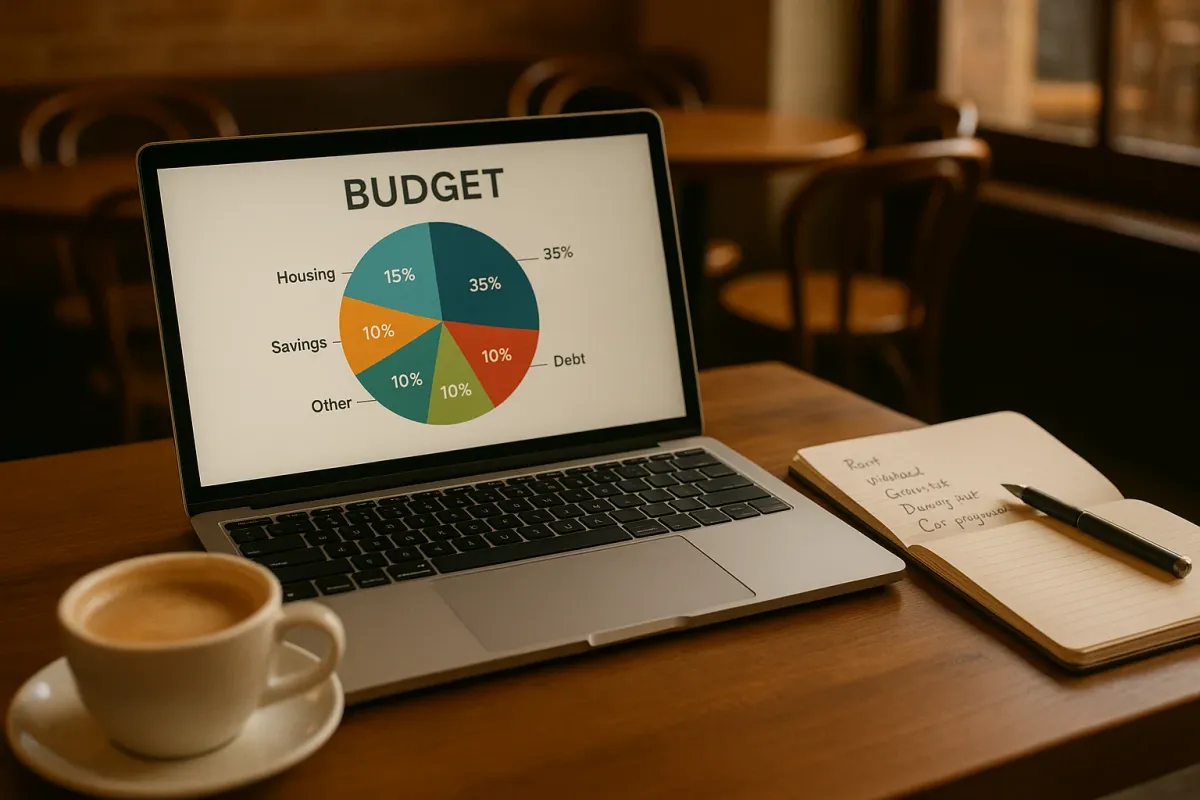
Ah, the million-dollar question! The answer depends on your unique financial situation. However, here's a rough guideline to get you started:
- Housing: 25-35% of your monthly income
- Utilities: 5-10%
- Food: 10-15%
- Savings & Debt Repayment: 20%
- Transportation: 10-15%
- Entertainment: 5-10%
- Miscellaneous: 5-10%
These percentages aren't set in stone but should serve as a starting point. Adjust them according to your lifestyle and financial goals. If saving is a priority, bump up that savings percentage and trim elsewhere.
Frequently Asked Questions
What is a budget expense category?
A budget expense category is a specific area where you allocate a portion of your budget, such as housing, food, or entertainment. It helps organize spending and track expenses effectively.
How do I determine my budget categories?
Begin by listing all your monthly expenses, then group similar expenses together. Prioritize essential categories like housing and utilities, and then create categories for discretionary spending.
How many budget categories should I have?
There's no set number, but most people find 10-15 categories manageable. The key is to ensure each category is broad enough to cover related expenses but specific enough to track effectively.
Should I use an app to manage my budget categories?
Using an app can simplify tracking and adjusting your budget. Check out our guide on the best expense tracker apps to find one that suits your needs.
Can I change my budget categories?
Absolutely. Your budget should be flexible to accommodate changes in income, expenses, or financial goals. Regular reviews can help you make necessary adjustments.
Budgeting is a dynamic process. As your life changes, so should your budget. If you're looking for a tool to handle this automatically, KlutterAI does just that by syncing your expenses and suggesting optimal categories based on your spending habits.
Remember, budget categories are more than just labels — they're a blueprint for financial success. With clear categories, you can not only track your spending but align it with your financial goals. Happy budgeting!