Master Money Management: Expense & Budget Tips
Master money management with top expense & budget tips. Simplify your finances today with the right tools.
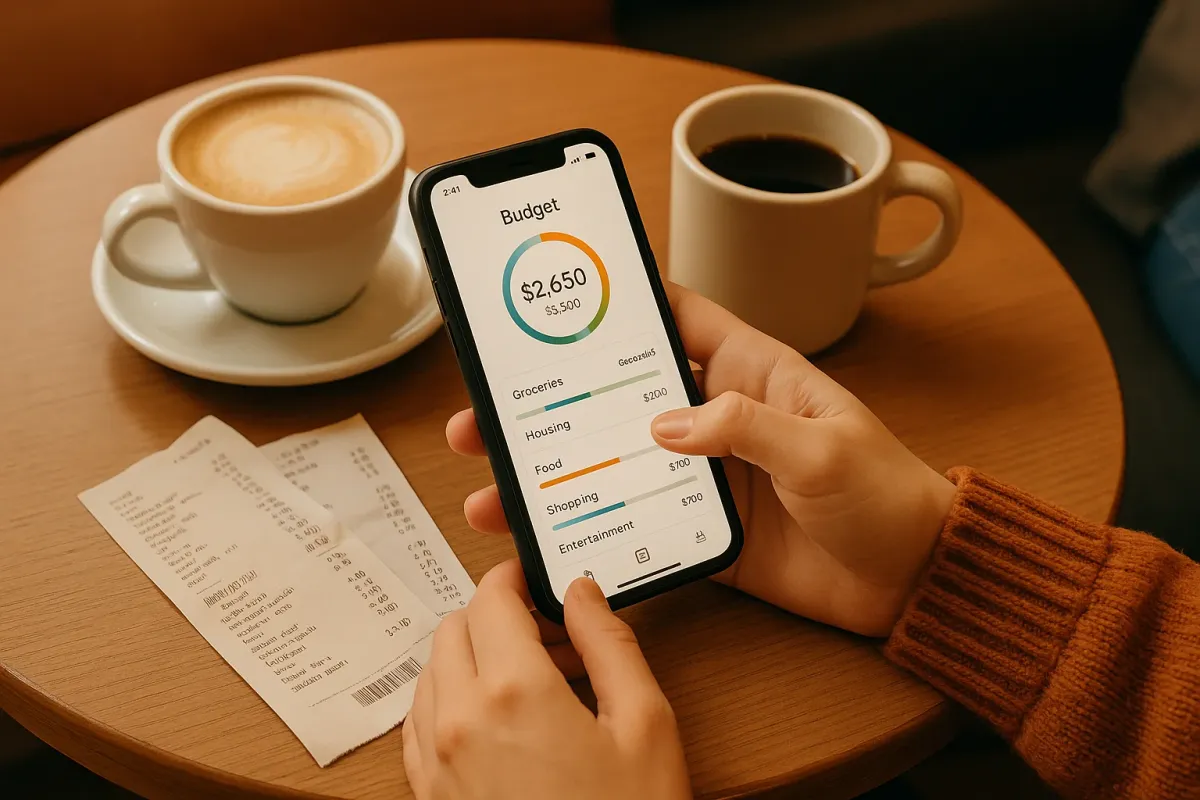
Managing your money can feel like juggling flaming swords while riding a unicycle. But hey, with the right money manager for expense and budget planning, you can bring some stability to that chaotic circus act. I've been there, and trust me, it doesn't have to be overwhelming.
Why You Need a Money Manager for Expenses & Budgeting
Let's start with why having a money manager for expense and budget tasks is essential. Think of it as your financial personal trainer. It's all about awareness and control over your money flow. Without a clear picture, it's like driving with a blindfold on — you'll eventually crash.
Say you're spending $600 a month on dining out. Without tracking, you might assume it's half that. A money manager tool gives you the clarity to make informed choices and cut unnecessary expenses. In my experience, once you start tracking, you find hidden leaks in your budget you never even knew existed.
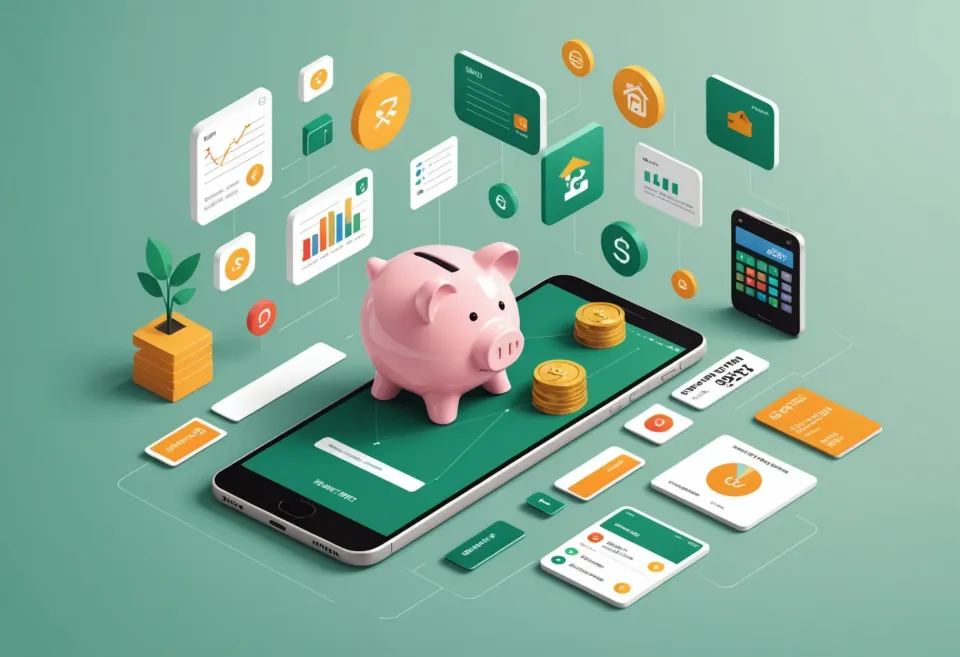
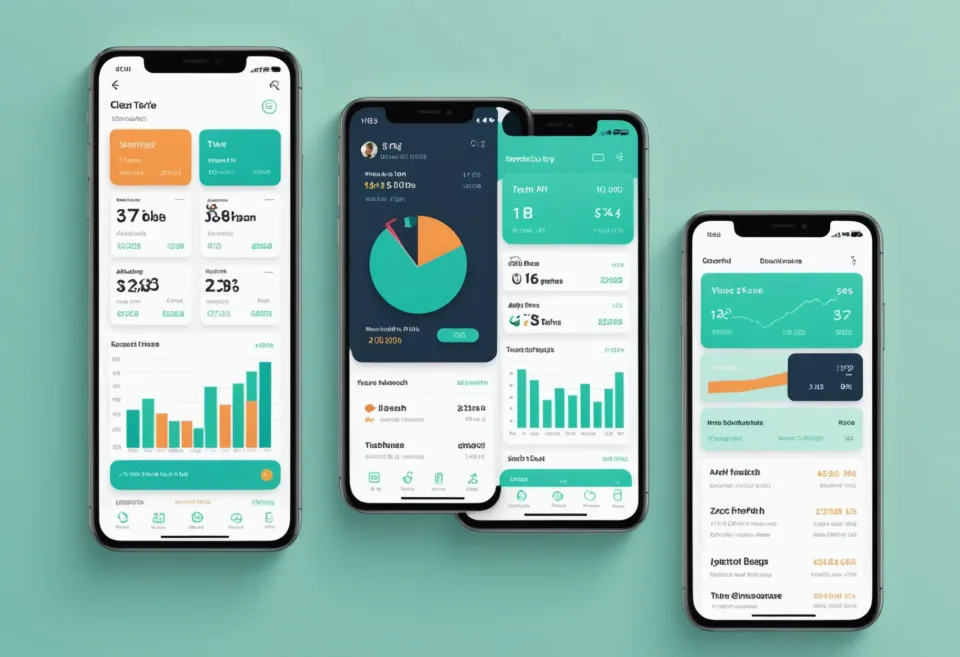
For those who like their tech, there are numerous AI-powered budgeting apps that automate this process, making budgeting as easy as pie. These tools sync with your bank accounts, categorize your expenses, and offer real-time insights.
How to Choose the Right Money Manager Tool
Not all money managers are created equal, and what works for me might not be your cup of tea. Here are some things to consider:
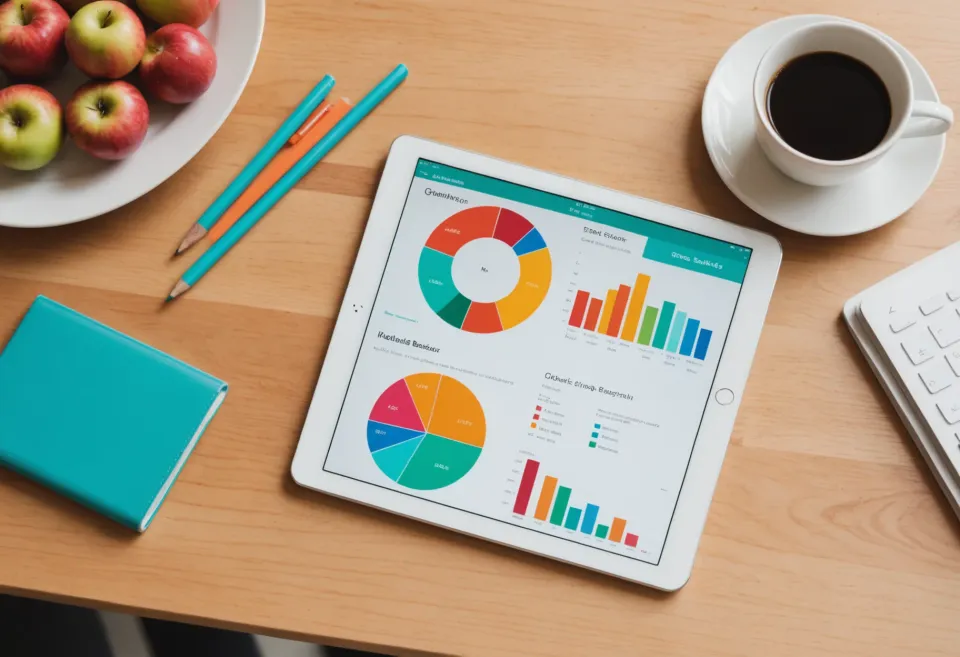
- Platform Compatibility: If you're an Apple aficionado, you might want to look at budgeting apps for iPad.
- Features: Do you need simple expense tracking or something robust like goal-setting and investment tracking?
- Ease of Use: A complicated tool is less likely to be used. Look for something user-friendly.
- Cost: Many apps are free or have a nominal fee. Decide what you're willing to pay for.
I've tried several and found that the more intuitive the interface, the more likely you are to stick with it. For instance, some apps can even integrate with AI tools like KlutterAI to automate and simplify your budgeting process.
How Much Should I Budget for Different Categories?
Budgeting is like dieting. You have to balance indulgence with discipline. But how much should you allocate for each category?
- Housing: Aim for 25-30% of your income.
- Groceries: Around 10-15%. This varies depending on if you're feeding a family or just yourself.
- Utilities: 5-10% should cover electricity, water, and internet.
- Transportation: If you're commuting, this could be 10-15%.
- Entertainment: Keep it under 5-10% to avoid financial guilt.
For more detailed insights on expense categories, check out our guide on budget and expense tracking.
How to Stick to Your Budget
Creating a budget is the easy part; sticking to it is where the real challenge lies. Here are some tips:
- Review Weekly: Take 30 minutes each week to review your spending. This keeps you on track and highlights any areas you might be overindulging in.
- Set Realistic Goals: Be honest about your spending habits and adjust your budget accordingly.
- Automate Savings: Set up automatic transfers to your savings account. If you don't see the money, you won't miss it.
Using a flexible budgeting example can also help you adjust to life's unexpected changes without derailing your financial plans.
Frequently Asked Questions
What is the best money manager for expense and budget?
There are many great options, but it depends on your needs. Some popular choices include apps that offer comprehensive features like goal tracking and expense categorization.
How can I track my expenses effectively?
Use a budgeting app that syncs with your bank accounts and categorizes expenses automatically. This will save you time and give you accurate insights.
How often should I review my budget?
Ideally, review your budget weekly to stay on top of your expenses and adjust for any anomalies.
Can I manage my budget without an app?
Absolutely, but using tools like spreadsheets or apps can make the process much more efficient and less prone to errors.
What percentage of my income should go to savings?
Aim for at least 20% of your income to go towards savings, but adjust based on your financial goals and current situation.
If you want something that handles this automatically, KlutterAI does a fantastic job at streamlining your budgeting and expense tracking process.