Personal Finance Blog: Budgeting, Saving & More Tips
Learn budgeting, saving, and personal finance tips to manage your money better. Discover practical strategies for financial success.

Ever find yourself wondering where all your money went by the end of the month? Trust me, you're not alone. Many of us have been there, staring at our bank statements in confusion. But here's the good news: with some smart budgeting and saving strategies, you can take control of your finances and even start saving more. Whether you're paying off debt or building an emergency fund, a solid plan can make all the difference.
Why is Budgeting Essential?
Budgeting is like mapping out a road trip for your finances. Without it, you're driving blind, hoping you'll reach your destination without running out of gas. A budget allows you to track and manage your money, ensuring you're not spending more than you earn. Imagine wanting to save for a vacation or a new gadget—if you don't know where your money is going, those goals stay dreams.
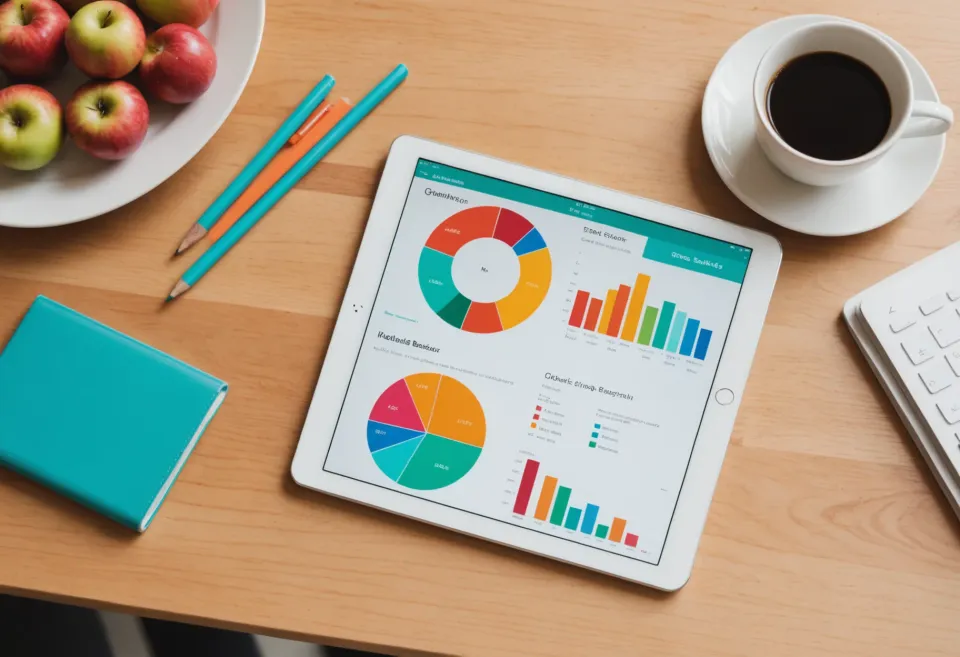
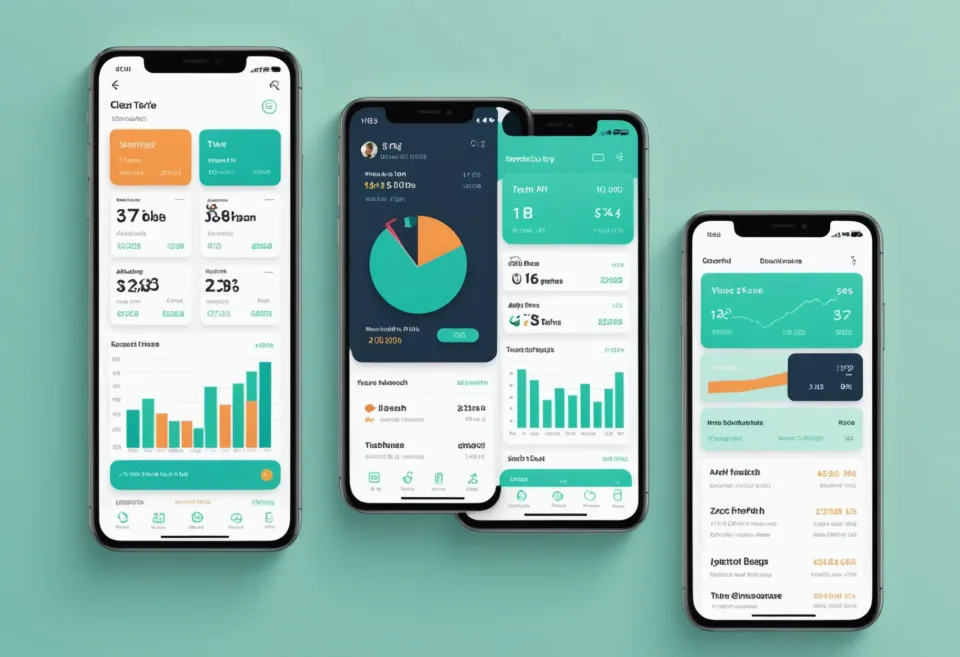
I've found that using a budgeting dashboard can make budgeting a breeze. It consolidates all your expenses and income in one place, giving you a clear picture of your financial health. Plus, you can customize it with categories that suit your lifestyle, whether it's dining out or unwinding with a Netflix subscription.
How to Start Saving More Money
Saving money doesn't have to be painful. Yes, it means cutting back in some areas, but it also means making smart choices. Start with the 50/30/20 rule—allocate 50% of your income to needs, 30% to wants, and 20% to savings. It's a guideline that helps you prioritize spending while ensuring you're saving regularly.
Cutting down on unnecessary subscriptions or dining out less frequently are changes that can significantly boost your savings. In my experience, even small changes like brewing coffee at home can make a big difference over time. If you're more tech-oriented, there are apps that can help automate and track these savings, making life easier.
How Do You Create a Personal Budget?
Creating a personal budget is like building a personal financial fortress. You start by jotting down all your income sources—salary, side hustles, anything that brings money in. Then list all your expenses, from rent to that daily latte.
Using tools like Google Sheets can make this process more streamlined. It's free, accessible, and you can customize it according to your needs. The best part? You don’t need to be a spreadsheet wizard to use it.
Once you have a clear view of your income and expenses, you can categorize them. This helps in identifying where you might be overspending. If you find more categories than you can manage, check out this guide on mastering personal budget expense categories.
How Much Should I Save Each Month?
The amount you save each month depends on your financial goals and current expenses. However, a good starting point is to aim for saving at least 20% of your income. If you’re new to saving, even 5% is a good place to start, then gradually increase it as you adjust.
To make this easier, consider automating your savings. Set up an automatic transfer from your checking to your savings account each month. This way, you won't even notice the money leaving your account, and your savings will grow effortlessly. For those who want a hands-free approach, KlutterAI offers automation tools that can streamline this process for you.
Frequently Asked Questions
What are the best budgeting apps for couples?
There are several apps specifically designed to help couples manage their finances together. Best Budgeting App for Couples provides insights into some top picks that make sharing finances easier.
How can AI help with budgeting?
AI can revolutionize your financial planning by offering personalized insights and automating repetitive tasks. AI for Budgeting discusses how AI tools can enhance your budgeting experience.
What is the 50/30/20 rule?
The 50/30/20 rule is a simple budgeting framework where 50% of your income goes to needs, 30% to wants, and 20% to savings. It helps in maintaining a balanced financial life.
How do I set up a budget in Google Sheets?
Using Google Sheets for budgeting is straightforward. You can create a spreadsheet to list your income and expenses, and there are templates available for ease of use. Check out this guide for a step-by-step approach.
Saving and budgeting might seem daunting at first, but like any other habit, it becomes easier with practice. If you want something that handles this automatically, KlutterAI does just that by offering tools to track and optimize your budget with minimal effort. Remember, the goal is progress, not perfection.