How to Nail Budget Categories and Subcategories
Master budget categories and subcategories to improve your personal finance game. Learn how to allocate funds and avoid common pitfalls.
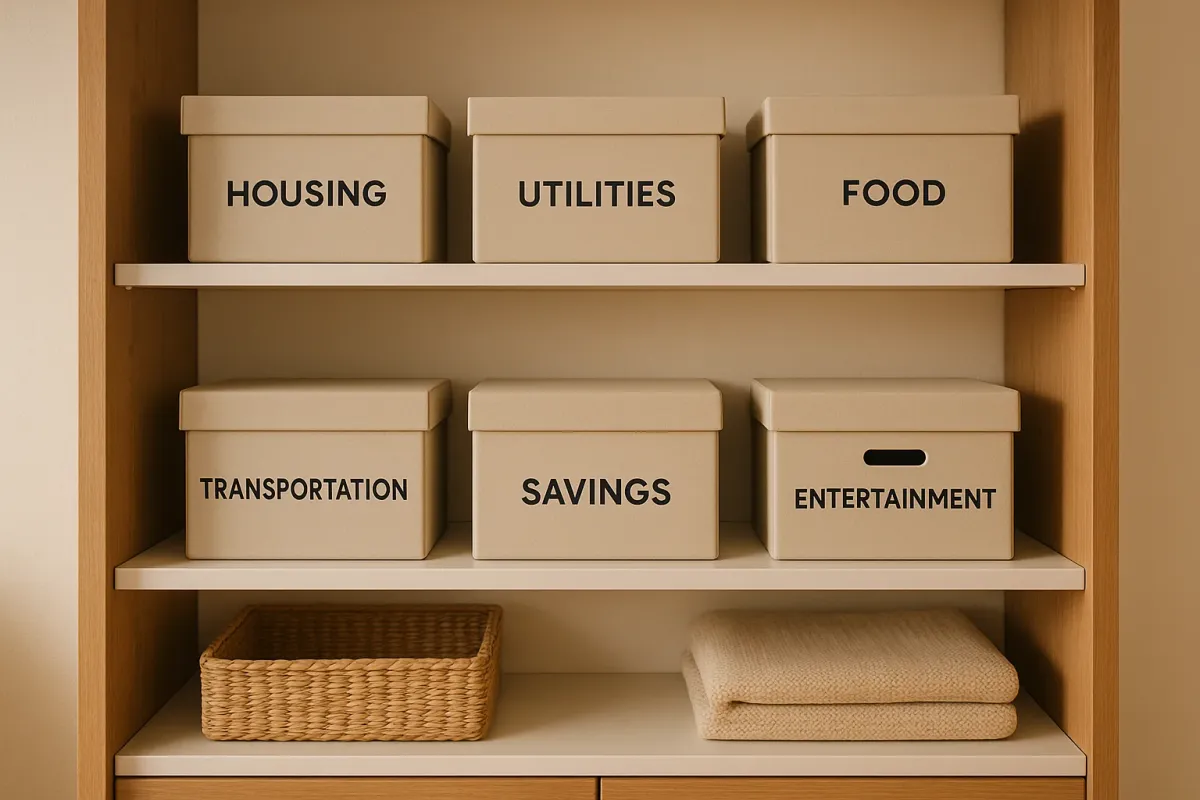
Creating a budget feels a bit like entering a new relationship: exhilarating, nerve-wracking, and a little overwhelming all at once. One of the trickiest parts? Figuring out your budget categories and subcategories. Drawing parallels to organizing a jam-packed closet, let’s chat over a virtual cup of coffee about how to get this right without pulling your hair out.
Why Do Budget Categories and Subcategories Matter?
Think of budget categories as the big bins in your closet and subcategories as the smaller boxes within them. Just as you wouldn’t toss your socks in with the shirts, you want your financial categories to make sense and help prevent overspending.
Proper categories bring clarity to your spending habits. For example, if you notice you’re blowing $600 monthly on groceries instead of $400, it’s easier to adjust when you’ve got clear categories. Plus, breaking it down into subcategories like 'meat', 'produce', and 'snacks' can pinpoint exactly where you're overspending.
In personal finance, mastering these categories can transform your financial health. Here’s a deep dive into how to organize them effectively.
Essential Budget Categories You Need
Before diving into subcategories, let’s crystallize those overarching categories:
- Housing: This includes rent or mortgage, property taxes, and insurance.
- Utilities: Categories like electricity, gas, water, and trash removal.
- Food: Groceries and dining out form the primary subcategories here.
- Transportation: Gas, public transit, car maintenance, and insurance.
- Healthcare: Health insurance premiums, medications, and doctor visits.
- Savings: Emergency fund, retirement, and any savings goals.
These are the classics. But remember, your budget should reflect your life. If travel is a priority, it gets its own category.
For a more comprehensive list, check out our article on 23 Budget Categories You Need in Your Budget.
How to Break Down Subcategories
Breaking things down further helps you track expenses with surgical precision. Let's explore a few core categories:
Housing
- Rent/Mortgage
- Property Taxes
- Home Maintenance
Food
- Groceries
- Dining Out
- Coffee Runs
Transportation
- Gas
- Insurance
- Repairs and Maintenance
You can go as detailed as you need. For instance, within 'groceries', you might want to track ‘organic’ vs. ‘non-organic’ if that’s important to your lifestyle.
Need more help? Our guide on Mastering Budget Expense Categories: A Practical Guide offers more tips.
How Much Should I Allocate to Each Category?
A common concern: how much should you actually allocate? There’s no one-size-fits-all answer, but here’s a framework:
- Housing: 25-35% of your income.
- Utilities: 5-10%.
- Food: 10-15%.
- Transportation: 10-15%.
- Healthcare: 5-10%.
- Savings: 10-15%.
These are ballpark figures. If your utility bills surge in summer, adjust accordingly. Building a flexible budget can accommodate such fluctuations.
Common Mistakes to Avoid
Even with the best intentions, we all slip up. Here are a few pitfalls:
- Ignoring Subcategories: Don’t lump everything under ‘Miscellaneous’. It’s a black hole for your money.
- Over-Complicating: While details are good, don’t overwhelm yourself with 50 subcategories.
- Rigid Budgeting: Allow for flex. If one month’s dining out exceeds budget, compensate elsewhere.
Tools to Simplify Your Budgeting Journey
Navigating categories can be daunting, but tools exist to simplify the process. For instance, KlutterAI offers seamless integration to track and categorize expenses automatically, leaving you more time to enjoy life.
Looking for tech options? Dive into our piece on The Best iPhone App for Budgeting: Top Picks Compared, which reviews tools that can make budgeting less of a chore.
Frequently Asked Questions
What are the main budget categories?
The main budget categories typically include housing, utilities, food, transportation, healthcare, and savings. These cover the primary areas of most individuals' expenses.
How do you set up budget categories?
Start by listing all your expenses for the month, then group them into main categories like housing and food. From there, create subcategories for more detailed tracking.
How much should I budget for groceries?
A good rule of thumb is to allocate about 10-15% of your monthly income to groceries, but this varies based on dietary needs and family size.
How can I track my budget easily?
Using apps like KlutterAI can automate expense tracking and categorization, making it easier to stick to your budget.
Taking control of your finances doesn’t have to be intimidating. By organizing your expenses into clear categories and subcategories, you’ll be on the path to financial clarity and control. If you want something that handles this automatically, KlutterAI does the heavy lifting, parsing through your expenses effortlessly.