23 Budget Categories You Need in Your Budget
Discover 23 essential budget categories you need to control your finances. From essentials to recreation, cover all your bases for a balanced budget.
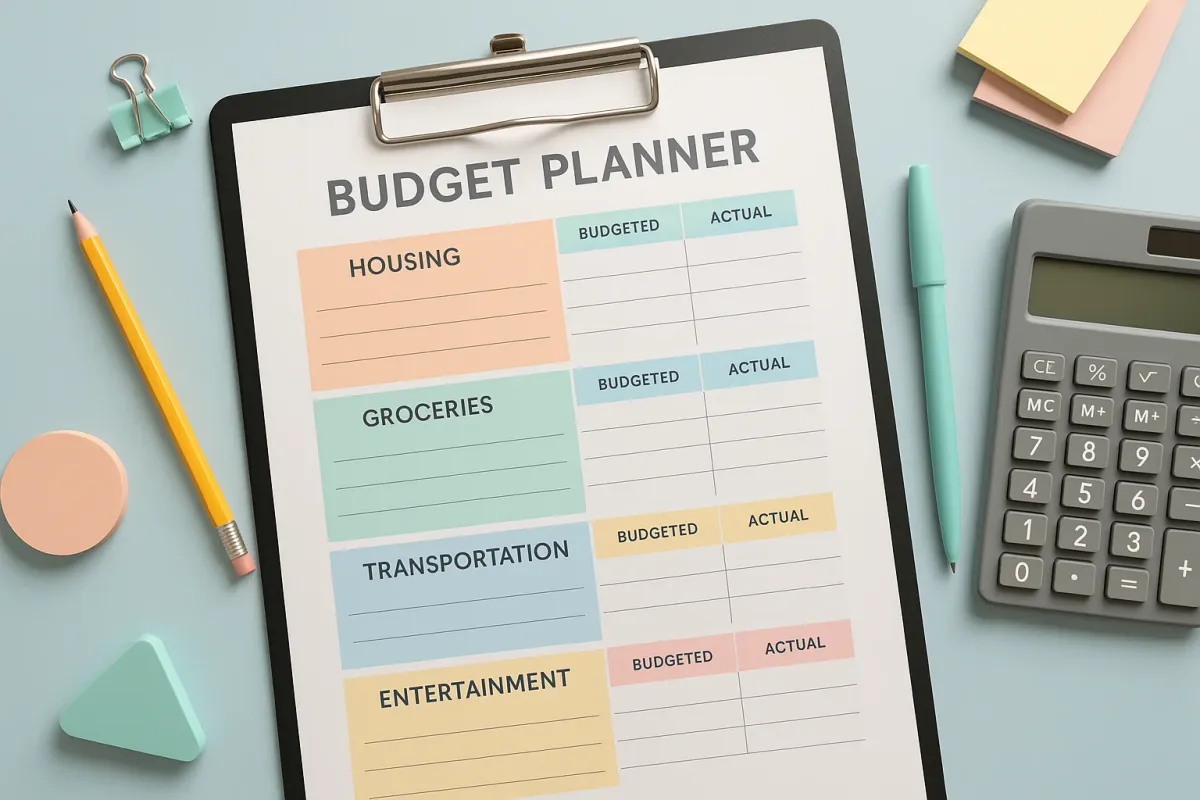
Ever feel like your budget is a sieve and your money's just slipping through? You're not alone. Crafting a rock-solid budget doesn't just mean jotting down your major expenses. It's about covering all your bases. Here are 23 budget categories you absolutely need to keep your finances in check.
Essential Household Expenses
These are the basics, the must-haves, the 'if-you-don't-pay-these-hell-breaks-loose' expenses.
1. Housing
This includes rent or mortgage payments. Let's face it, we all need a roof over our heads. Generally, it shouldn't exceed 30% of your monthly income.
2. Utilities
Think electricity, water, gas, and even trash services. These can sneak up on you if you're not careful.
3. Groceries
The average American family spends about $400 per month on groceries. If you're spending significantly more, it might be time to reassess.
Transportation Costs
Getting from A to B isn’t free. Here's what you should account for.
4. Car Payments
If you have a car loan, this is a must. Don't forget insurance while you're at it.
5. Public Transportation
For those who don't drive, metro and bus costs can add up, too.
Health and Insurance
Keeping yourself and your family healthy is vital.
6. Health Insurance
Whether through your employer or privately acquired, this is essential.
7. Medical Expenses
Think co-pays, prescriptions, and any out-of-pocket costs.
Financial Obligations
Keeping your financial goals intact and debts in check.
8. Savings
Aim for at least 20% of your income. Future you will thank you.
9. Debt Repayment
This includes credit card payments and loans. If you're struggling here, check out my debt payoff plan guide.
Household and Personal
The sometimes overlooked but always important personal expenses.
10. Internet
In today's world, it's almost as essential as electricity.
11. Phone Bills
Whether it’s landline or mobile, make sure this is covered.
Entertainment and Recreation
Life's not all work and no play.
12. Dining Out
Set a realistic limit. This can quickly eat (pun intended) into your budget.
13. Subscriptions
Netflix, Amazon, Spotify—these should be budgeted for.
Personal Care
Taking care of yourself is crucial.
14. Clothing
Set aside a specific amount monthly, especially if you have growing kids.
15. Fitness/Gym
If you have a gym membership, this is where it goes.
Miscellaneous
A catch-all for the unpredictable.
16. Gifts
Birthday, anniversary, and holiday gifts should be planned.
17. Pet Care
Food, vet visits, and grooming—if you're a pet owner, this category is a must.
Future Planning
Looking ahead ensures a stable financial future.
18. Retirement Savings
Contribute regularly to your 401(k) or IRA.
19. Education
Whether for yourself or your kids, education is an investment.
20. Emergency Fund
Aim for 3-6 months of expenses. A lifesaver when the unexpected happens.
Unplanned Expenses
Some things you just can't predict but should still prepare for.
21. Home Maintenance
Appliances break; roofs leak. It's wise to have a fund ready.
22. Car Maintenance
Regular oil changes and unforeseen repairs belong here.
23. Miscellaneous
Catch-all for anything that doesn’t fit elsewhere.
Are you overwhelmed yet? Don’t worry. I've been there and can attest that once you get these categories down, you'll feel much more in control of your financial life. If you're looking for tools to help you manage and track these categories, check out some good apps to track spending that can make this easier for you.
How to Organize Your Budget Categories?
Now that you know what categories to include, how do you organize them?
Prioritize
Start by listing them in order of importance. Housing, utilities, groceries, and transportation should be at the top.
Allocate Funds
Assign a percentage of your income to each category. For example, housing could be 30%, savings 20%, and so forth.
Use Tools
A spreadsheet or budgeting app can be your best friend here. For an in-depth guide on how to set that up, my article on Mastering Categories for Budget Expenses can be a great help.
Frequently Asked Questions
What are the 23 budget categories?
The 23 categories include essentials like housing and groceries, transportation, health and insurance, savings, debt repayment, and more.
How much should I allocate to each category?
This varies based on your personal income and expenses, but housing is typically around 30% of your income, savings 20%, and groceries 10-15%.
How can I track my spending effectively?
Consider spending tracker sheets or budgeting apps that can track each category for you.
Why is it important to have a budget?
A budget helps you manage your money, save for future goals, and avoid unnecessary debt.
Using a tool like KlutterAI can automate this for you, making it simpler and more efficient.
Conclusion
Getting your budget sorted with these 23 categories might seem like a daunting task, but once you've tackled it, you'll wonder how you ever managed without them. Give it a try and let me know what you think in the comments!