Flexible Budgeting Example for Real-Life Financial Success
Discover how flexible budgeting can adapt to your lifestyle and manage unpredictable expenses effectively with real-world examples.

Ever feel like your budget is a straitjacket? Trust me, you're not alone. Traditional budgeting can sometimes feel too rigid, and life's little surprises aren't exactly rare. That's where flexible budgeting comes in. It's about allowing your budget to breathe when unexpected expenses pop up—and they will. Think of it as yoga for your finances.
What is Flexible Budgeting?
Flexible budgeting is like having a financial safety net that adjusts as your life changes. It's not just about setting aside a rigid amount for each category but allowing for variations depending on your monthly needs. Unlike a static budget, which remains constant despite fluctuations in income or expenses, a flexible budget adapts based on actual circumstances. This approach is particularly useful for those with variable incomes or unpredictable expenses.
Take my friend Sarah, for instance. She's a freelance graphic designer, and her income varies month to month. Using a flexible budget, she adjusts her spending categories based on her income for that month, allowing her to manage her finances without the stress of overshooting her budget.
Creating a Flexible Budget: A Step-by-Step Example
Let's walk through a simple example of creating a flexible budget. Say, for instance, you expect to spend $500 on groceries, $300 on utilities, and $200 on entertainment each month. However, in a flexible budget, these numbers aren't set in stone.
- Identify Fixed Necessities: Start by pinpointing your non-negotiable expenses like rent or mortgage, which are typically fixed. Let's say your rent is $1,200.
- Determine Variable Spending: For categories like groceries, utilities, and entertainment, set an estimated range. For example, groceries might range from $400 to $600.
- Set Income Projections: If your income varies, like Sarah's, project a conservative estimate of what you expect to earn.
- Adjust as Needed: Each month, compare your actual spending and income against your projections. If you spend $450 on groceries one month, adjust the next month’s budget to compensate.
This method encourages you to be more mindful of your spending and adjust on the fly. It’s like the financial equivalent of having a wardrobe full of versatile pieces rather than a single uniform.
How Can Flexible Budgeting Help You Save?
The beauty of flexible budgeting is that it empowers you to save even when things don't go exactly as planned. By being adaptable, you can identify areas where you can cut back and others where you might need to spend a little more.
For example, if you find that you’re consistently spending more on groceries than expected, you can adjust your entertainment budget to save that extra cash. Or, if you have a good month income-wise, you can put more into savings or pay off debt.
In fact, I wrote an article on essential expense categories for personal budgeting success, and it can be a great resource for identifying where you might have wiggle room.
How to Handle Unexpected Expenses with a Flexible Budget?
Life is full of unexpected events—a car repair, an urgent flight to visit a sick relative, or even a spur-of-the-moment weekend getaway. A flexible budget prepares you for these moments.
- Emergency Fund: Allocate a portion of your monthly income to an emergency fund. It acts as a buffer for unexpected costs.
- Reallocate Funds: When an unexpected expense arises, temporarily reallocate funds from less essential categories.
- Review and Reflect: After handling the unexpected expense, review your budget and adjust accordingly for the following months.
For those unexpected events, having a tool like a budget and expense tracker can be incredibly helpful. Monitoring your spending in real time allows for quick adjustments and keeps you on track.
How Does Flexible Budgeting Compare with Other Methods?
Flexible budgeting isn’t the only fish in the sea, but it’s a pretty versatile one. Compared to traditional static budgeting, flexible budgeting offers a more dynamic approach.
- Static Budgeting: Good for predictable expenses but can be suffocating if life throws a curveball or if your income isn't consistent.
- Envelope System: Similar to flexible budgeting in managing variable expenses, but requires more discipline and isn't as adaptable to sudden income changes.
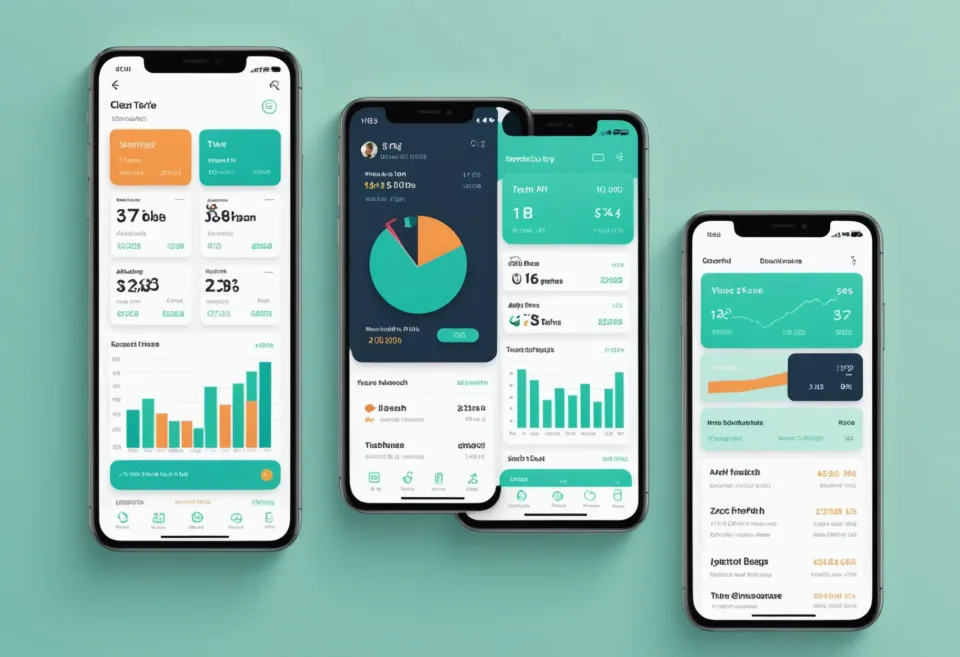
If you’re a tech enthusiast, consider using a budgeting app to manage your flexible budget. I’ve reviewed some of the best iPhone apps for budgeting that offer features tailored for flexible budgeting.
Frequently Asked Questions
What is a flexible budgeting example?
A flexible budgeting example involves setting a range for variable expenses like groceries or entertainment, allowing you to adjust based on actual income and expenses each month.
How do you implement a flexible budget?
Start by identifying fixed expenses, estimate a range for variable costs, project your income conservatively, and adjust month-by-month based on actual spending and earnings.
Why is flexible budgeting important?
Flexible budgeting is crucial for managing finances effectively when you have variable income or unexpected expenses. It prevents the stress of overspending and helps you allocate funds efficiently.
How can I manage unexpected expenses?
Use an emergency fund and reallocate funds from less critical budget categories to cover unexpected expenses. Afterward, adjust future budgets to replenish your emergency fund.
Where can I find tools for flexible budgeting?
Tools like KlutterAI automatically adjust your budget based on spending habits, making it simpler to manage a flexible budget.
A flexible budget offers a way to live within your means without the stress of unforeseen expenses derailing your financial goals. If you're looking for a tool that simplifies this process, KlutterAI helps automate the adjustments, making it easier to maintain a flexible budget.