Essential Expense Categories for Personal Budgeting Success
Discover essential expense categories for personal budgeting success. Boost financial clarity & control with these expert tips and tools.

If there's one thing I've learned from managing my own finances and helping others do the same, it's this: knowing your expense categories can make or break your budget. When I first started budgeting, I didn't realize how powerful understanding my financial outflows could be. I mean, you're just listing where your money goes, right? But categorizing expenses opened my eyes to spending leaks and helped me reprioritize my spending in ways that served my financial goals.
What Are Expense Categories for Personal Budget?
Expense categories are the backbone of any personal budget. They are essentially buckets where you organize your spending, making it easier to track and control various financial activities each month. Think of them like folders that help you organize your financial documents. Some common categories include housing, transportation, groceries, and entertainment.
The Importance of Categorizing Your Expenses
Why bother categorizing your expenses? Well, without it, your budget is just a list of numbers with no real direction. Categorizing your expenses allows you to identify patterns, make informed decisions, and even spot areas where you can tighten the belt. For instance, if you're like many of us and spend $200 monthly on dining out, you might decide it's time to cook more at home and save that extra cash.
If you’re looking for a comprehensive guide to organize your spending, check out my detailed post on Mastering Budget Expense Categories.
Common Expense Categories for a Personal Budget
Housing
Housing is often the largest expense category for most of us. It includes mortgage or rent payments, property taxes, utilities, and home maintenance costs. A good rule of thumb is to keep your housing costs at or below 30% of your income.
Transportation
From car payments and public transit fares to gas and maintenance, transportation is another major expense. It’s an area where small adjustments, like carpooling or using a bike for short trips, can lead to significant savings.
Groceries
The grocery budget can be surprisingly flexible. With a little meal planning and some smart shopping strategies, you can cut down your grocery bill significantly. Did you know that Americans spend about 10% of their income on food, both at home and dining out?
Entertainment
Ah, the fun stuff! But entertainment can quickly become a budget buster if not managed carefully. Whether it’s movies, concerts, or weekend getaways, allocate wisely to avoid overspending.
For a more tailored breakdown of these categories, consider reading 23 Budget Categories You Need in Your Budget.
How Do You Categorize Expenses?
Start with the Essentials
Identify essential categories based on your monthly needs such as housing, utilities, and food. This ensures that your primary needs are always covered.
Add Variable Expenses
These are categories that can fluctuate, like dining out, entertainment, or clothing. Setting a realistic budget for each allows you to maintain control.
Don’t Forget Irregular Expenses
These include things like annual insurance premiums or holiday gifts. It helps to set aside a small amount each month to cover these unpredictable costs when they arise.
Use Technology
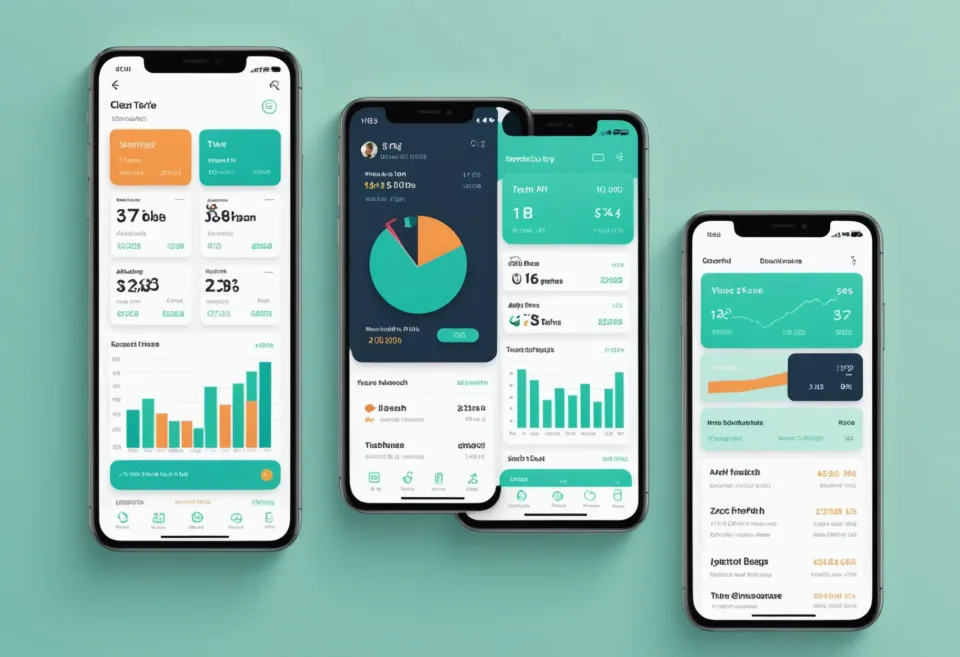
If you're feeling overwhelmed, let technology give you a hand. Budgeting apps like KlutterAI can automate and categorize expenses for you, making the whole process less daunting and helping you stay on track.
How to Adjust Your Expense Categories?
Regularly Review Your Budget
Life changes, and so should your budget. Have you started a new hobby or moved to a new city? Adjust your categories to reflect these life changes.
Be Flexible
Some months will be more expensive than others. Flexibility within your categories can prevent frustration and keep you from throwing in the towel.
Look for Patterns
Over time, you’ll recognize spending patterns. Are you consistently overspending in one category? Maybe it's time to reallocate funds from a less critical area.
For more insights on how to manage your budget effectively, try the strategies outlined in Master Spending Categories for Budgeting Success.
Frequently Asked Questions
What are the most important expense categories to include in a budget?
Focus on essentials like housing, utilities, groceries, and transportation. These categories cover basic needs and should be prioritized.
How can I reduce expenses in each category?
Start by tracking your spending to identify areas of waste. For groceries, use coupons and buy in bulk. For utilities, consider energy-saving methods.
How often should I review my expense categories?
Review your categories monthly. This allows you to adjust for any unexpected expenses and ensure you're meeting your financial goals.
What should I do if I consistently overspend in a category?
Re-examine your spending habits and see where you can make cuts. It might also help to allocate more funds to that category, if it's realistic.
Is there a tool that can help with budget categorization?
Yes, KlutterAI can automatically categorize your expenses, making it easier to track and adjust as needed.
Budgeting doesn’t have to be a chore. With the right strategy and a little help from tech, you can transform how you manage your money.