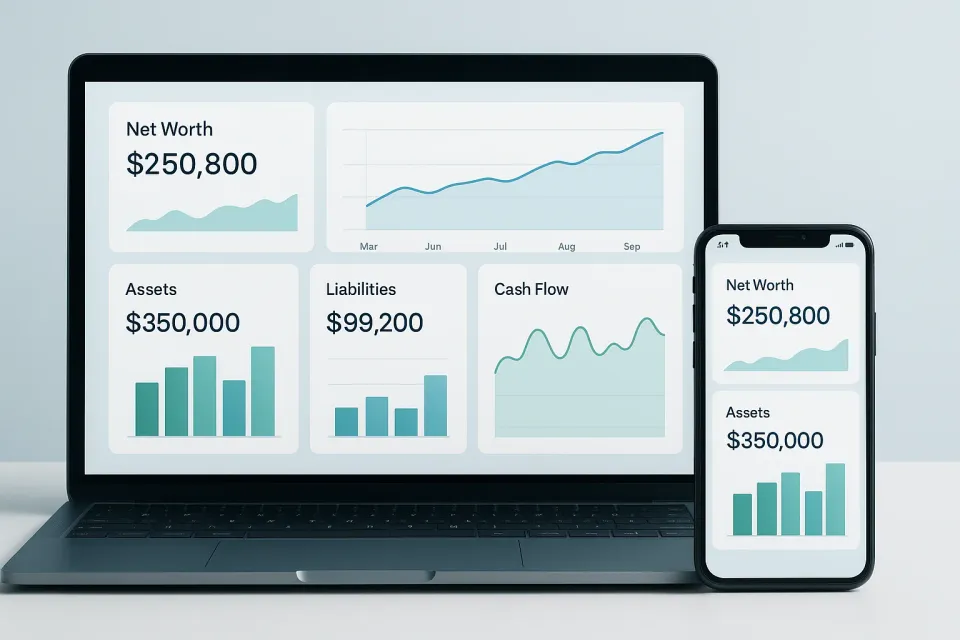
Mastering Company Budgeting: A Practical Guide
Learn how to master company budgeting with practical steps and tools to ensure financial stability and growth. Get expert insights and real-world examples.

Creating a budget for your company is like setting the GPS for your financial journey—it guides every decision, from hiring that extra employee to launching a new product line. When done right, company budgeting can be your secret weapon for growth, stability, and peace of mind.
Understanding the Basics of Company Budgeting
Before diving into the nitty-gritty, let's establish what company budgeting actually involves. At its core, it's about forecasting future income and expenses to plan for profits and manage risks. Think of it as a strategic plan for your finances.
In my experience, whether you're running a two-person startup or a large corporation, the fundamentals remain the same: you need to know where your money is coming from and where it's going. This means creating detailed projections for sales, expenses, and cash flow.
How to Create an Effective Company Budget
Creating a budget might seem daunting, but breaking it down into steps can simplify the process. Here’s a straightforward approach:
1. Analyze Past Financial Data
The first step is to gather and analyze your past financial data. Review your income statements, balance sheets, and cash flow statements. This historical data provides a solid foundation for predicting future trends. If you're just starting out, use industry data to make educated guesses.
2. Set Clear Financial Goals
What do you want to achieve financially over the next year, quarter, or decade? Whether it's increasing profits by 20% or launching a new product, your budget should align with your business goals.
3. Estimate Revenue and Expenses
List all potential revenue streams and expected expenses. Be realistic—overly optimistic projections can lead to financial mismanagement. For expenses, factor in both fixed costs (like rent) and variable costs (like utilities and materials). For more detail on categorizing expenses, check out our guide on Mastering Budget Expense Categories.
4. Plan for Contingencies
Every business faces unexpected challenges. Set aside a portion of your budget for unforeseen expenses. This buffer can help you navigate rough patches without derailing your entire plan.
5. Monitor and Adjust
Once your budget is in place, the work doesn't stop. Regularly review your financial performance versus your budget. This allows you to make necessary adjustments and stay on track. KlutterAI can assist in automating and simplifying this monitoring process, so you can focus on growth strategies.
Why Is Company Budgeting Important?
Company budgeting is crucial because it provides a roadmap for your financial decisions. It helps businesses allocate resources efficiently, manage cash flow, and plan for future investments. Without a budget, it's like navigating a ship without a compass—you're sailing but without a clear destination.
In a previous job, I saw how a lack of budget planning led to overspending and ultimately, layoffs. It was a tough lesson but underscored the importance of financial foresight.
How much should a company budget for marketing?
Marketing is essential, but how much should you allocate? A common rule of thumb is to spend 5-10% of your revenue on marketing, but this can vary. For startups, it might be higher, around 20%, to capture market share. Whatever your number, ensure it aligns with your overall business strategy.
For more on managing specific budget categories, explore 23 Budget Categories You Need in Your Budget.
What Tools Can Help with Company Budgeting?
There are countless tools out there designed to help with company budgeting. From traditional spreadsheets like Google Sheets to specialized software solutions, the right tool can make budgeting less of a chore and more of a strategic advantage.
I’ve found that using a combination of tools helps cover all bases. While spreadsheets are great for detailed projections, software like Choosing the Best Company Budgeting Software can automate more complex tasks.
Frequently Asked Questions
What is the difference between a budget and a forecast?
A budget is a detailed plan for the future, usually covering a year, outlining expected income and expenses. A forecast, on the other hand, is an update to the budget based on current trends and changes in the market.
How often should a company revise its budget?
It's wise to review your budget quarterly to ensure it aligns with your financial goals and market conditions. However, some businesses prefer monthly reviews, especially in fast-changing industries.
Can a small business succeed without a budget?
While it's possible, it's not advisable. A budget helps small businesses manage cash flow, plan for growth, and avoid financial surprises.
What’s the most common budgeting mistake companies make?
Overestimating revenue and underestimating expenses. Being too optimistic can lead to cash flow issues down the line.
Conclusion
Company budgeting is more than just a numbers game. It's about setting a clear financial path for your business. With the right strategies and tools, like KlutterAI, you can streamline the process, making your financial planning more efficient and less stressful.
If you're looking for a tool to help automate and streamline your budgeting process, KlutterAI offers features that can save you time and reduce errors.