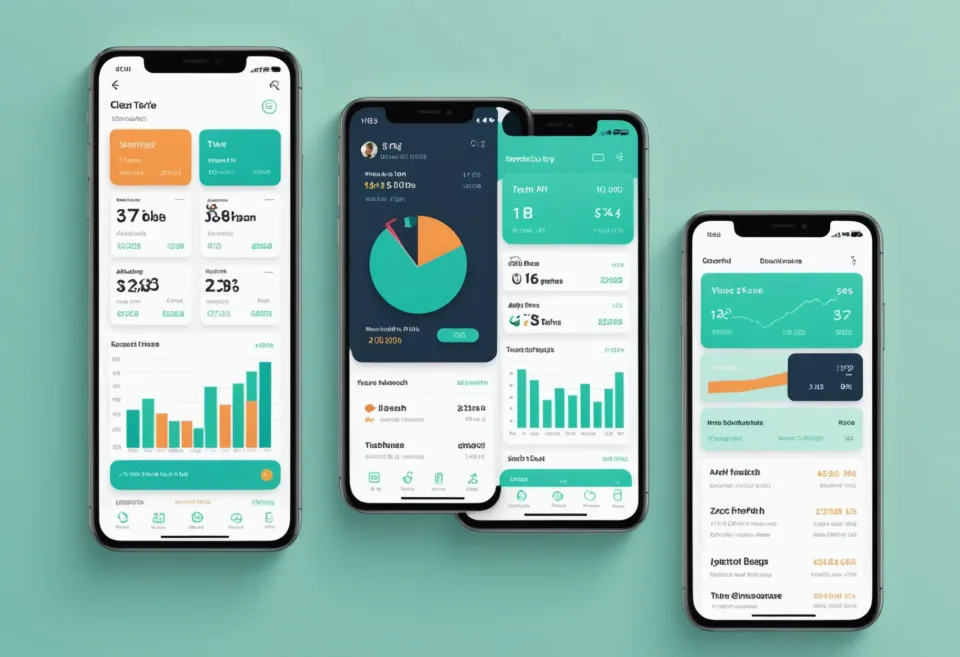
Unlocking the Secrets of Expense Categories
Discover how expense categories can simplify budgeting and improve financial clarity. Learn to categorize, track, and adjust your spending effectively.

When it comes to mastering personal finance, understanding expense categories is like having a map for a treasure hunt. You know where your money is going and, more importantly, where it shouldn't be going. We've all been there—glancing at our bank statement, wondering how those little purchases added up so fast. Expense categories can help you get a clearer picture.
Why Are Expense Categories Important?
Categorizing your expenses isn't just a nerdy spreadsheet exercise; it's pivotal for smart financial planning. When you break down your spending into categories, like food, housing, and entertainment, you get a vivid picture of your spending habits. This clarity allows you to adjust your budget and make informed financial decisions.
For example, if you find you're spending $400 a month on dining out and only $150 on groceries, that might be an area to adjust. Expense categories also help when using tools like the NerdWallet Budget Calculator, which requires input of expenses by category.
Common Expense Categories to Consider
So, what are these magical categories? While everyone's needs differ, there are some common categories that most people should consider:
- Housing: Rent or mortgage payments, property taxes, and home insurance.
- Utilities: Electricity, water, gas, and internet costs.
- Groceries: All your supermarket purchases.
- Transportation: Gas, transit passes, and car maintenance.
- Dining Out: Restaurants, coffee shops, and takeout.
- Entertainment: Movies, concerts, and streaming services.
- Health: Medical insurance, doctor visits, and medication.
- Clothing: All your sartorial needs.
In my experience, having detailed categories prevents overspending in areas where it's easy to lose track. If you're a fan of tech solutions, some budgeting apps offer flexible category options to make this process even smoother.
How Can I Create My Own Expense Categories?
Creating your own set of expense categories can feel overwhelming, but it doesn't have to be. Start by examining past spending over a few months. This will give you a baseline of your usual expenditures. You might notice patterns and find where you tend to overspend.
Once you've analyzed your spending, start grouping similar expenses. For example, subscriptions and memberships might include your gym membership and Netflix account. If you're not into manual tracking, a spending tracker excel template can simplify the process.
How Much Should I Allocate to Each Expense Category?
There's no one-size-fits-all answer, but a popular guideline is the 50/30/20 rule. This suggests that 50% of your income goes to needs (like housing and groceries), 30% to wants (like dining out and entertainment), and 20% to savings and debt repayment.
If you're someone who prefers everything automated, KlutterAI can handle this for you, providing insights based on your spending habits.
Frequently Asked Questions
What are the most common budget categories?
Common budget categories include housing, utilities, groceries, transportation, dining out, entertainment, health, and clothing.
How do I track my expenses by category?
You can track expenses by category manually using a spreadsheet or by using budgeting apps that offer category tracking features. Tools like KlutterAI automate this process for you.
How do I adjust my budget categories?
Adjust your budget categories by regularly reviewing your expenses and reallocating funds based on your financial goals and spending patterns. This may involve reducing spending in some areas to increase savings or debt repayment.
Wrapping It Up
Understanding and using expense categories can transform your financial life from chaotic to controlled. By categorizing expenses, you gain the power to make informed decisions, adjust spending, and ultimately reach your financial goals faster. If you want something that handles this automatically, KlutterAI does just that, offering personalized insights and recommendations for a smarter budgeting experience.