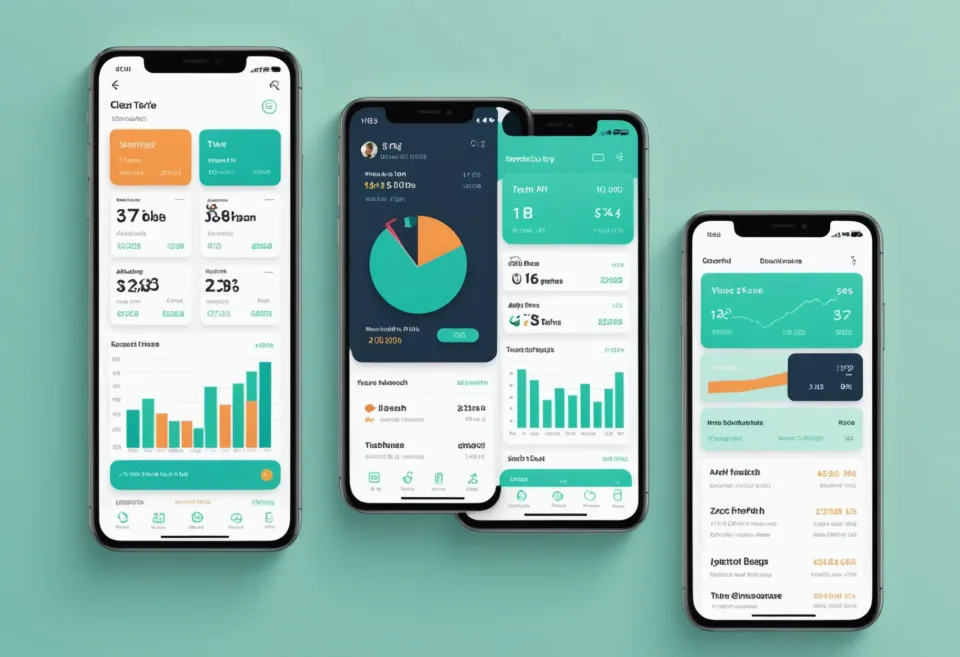
Money Tracker Book: Why Pen and Paper Still Works in 2025
Learn how to use a money tracker book effectively in 2025. Discover setup tips, best journals to buy, and why manual tracking still beats apps for many people.
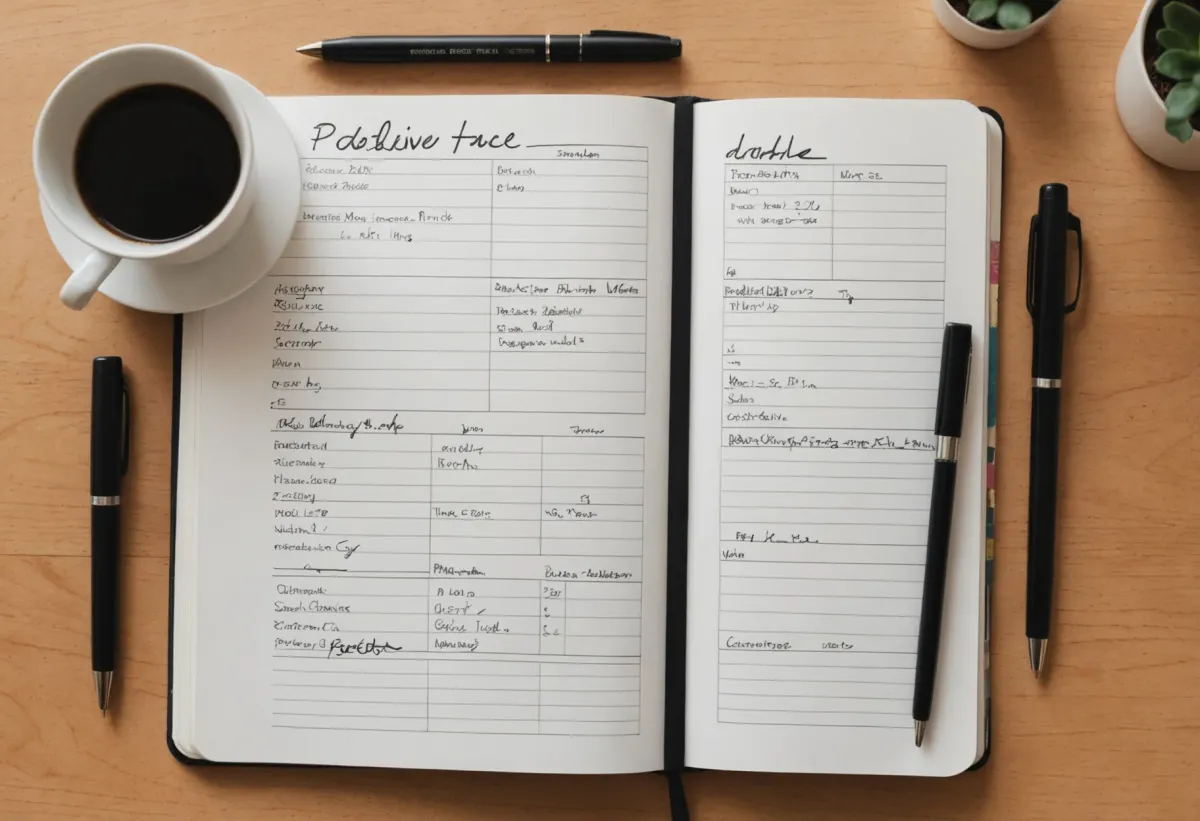
There's something almost rebellious about pulling out a money tracker book in 2025. Everyone around you is tapping on apps, syncing bank accounts, and getting AI-generated spending reports. Meanwhile, you're there with a pen, actually writing down that $4.75 coffee.
And honestly? It works. Really well, actually.
I spent three years exclusively using apps to track my spending before switching back to a physical money tracker book. The difference in my financial awareness was immediate. When you physically write "$127 — Target, household stuff" you remember it differently than when an app auto-categorizes it for you. Your brain processes the information more deeply.
But here's the thing — using a money tracker book effectively isn't just about buying any old notebook and scribbling numbers. There's a method to it. And after testing dozens of approaches (and failing at most of them), I've figured out what actually works.
Why a Money Tracker Book Beats Apps for Some People
Let me be clear: apps are fantastic. I still use them. But a physical money tracker book offers something apps can't replicate — friction.
That friction is actually a feature, not a bug.
When you have to stop, pull out your book, and write down a purchase, you create a moment of reflection. "Do I really need this?" becomes a question you ask before buying, not after. I've literally put items back on shelves because I didn't want to write them down. That's powerful.
There's also the visual element. Seeing an entire month of spending laid out in your own handwriting hits different than scrolling through a digital list. You notice patterns faster. "Wow, I wrote 'Amazon' eleven times this month" jumps out at you in a way that a pie chart just doesn't.
Plus, no subscription fees. No data privacy concerns. No app updates breaking your tracking system. Your money tracker book works offline, on airplanes, and never asks you to rate it in the App Store.
That said, if you want the best of both worlds, combining manual tracking with a digital tool like KlutterAI can give you the mindfulness of writing things down while still having automated insights and categorization when you need them.
How to Set Up Your Money Tracker Book (The System That Actually Sticks)
Most people who try tracking expenses by hand give up within two weeks. I know because I did it three times before figuring out a system that stuck. Here's what works:
Choose the Right Format
Forget fancy budget planners with pre-printed categories and elaborate systems. They look great on Instagram but fall apart in real life. You need something simple:
- A small notebook that fits in your pocket or bag (Moleskine pocket size, Field Notes, or a cheap composition book — doesn't matter)
- Pages with some structure (lined or grid works best)
- Nothing too precious that you're afraid to mess up
I use a $3 Muji notebook. It's small, opens flat, and I don't care if it gets coffee-stained.
Create a Dead-Simple Daily Format
Each page = one week. At the top, write the dates. Below, create columns:
| Date | What | Amount | Category |
|---|---|---|---|
That's it. Don't overcomplicate it with notes about "how you felt" or "whether it was necessary." You'll never maintain that. Keep it to four columns max.
For categories, use broad buckets: Food, Transport, Bills, Fun, Health, Other. Maybe 6-8 total. If you're spending mental energy deciding whether something is "Entertainment" or "Dining Out," you've already lost.
The Weekly Review Ritual
This is non-negotiable. Every Sunday (or whatever day works), spend 10 minutes:
- Add up each category
- Write totals at the bottom of the page
- Compare to last week
- Note anything surprising
That's your entire system. No elaborate monthly reports. No color-coding. Just weekly totals and a quick comparison.
If you want to take this further digitally, you can transfer your weekly totals into a Google Sheets family budget template for longer-term tracking while keeping the daily habit analog.
What Should I Track in My Money Tracker Book?
This question trips people up more than it should. The answer: track everything you spend, but only what you spend.
Don't track income in the same book — it clutters things up. Don't track bills that auto-pay from your account unless you want to. The point is catching discretionary spending, the money that slips through your fingers without you noticing.
Here's my rule: if cash or a card leaves your possession, write it down. That includes:
- Coffee runs
- Subscriptions (when they charge, not when you signed up)
- Venmo payments to friends
- ATM withdrawals (and then what you spent the cash on)
- Online orders
- Gas
- Groceries
Don't track your rent or mortgage payment unless it helps you. You already know what that costs. The magic of a money tracker book is catching the $8 here and $15 there that adds up to hundreds without you realizing.
One thing I learned the hard way: be specific enough to remember what you bought. "Target - $47" doesn't help you six weeks later. "Target - cleaning supplies, snacks - $47" does.
Best Money Tracker Books and Journals to Buy
You can absolutely use a blank notebook, but if you want something pre-formatted, here are options I've actually tested:
Budget-Friendly Options
Clever Fox Budget Planner (~$25): Pre-formatted with monthly and weekly sections. Good if you want structure without designing your own system. The paper quality is decent, and it includes goal-setting pages.
Wordsworth Planner Budget Book (~$15): Simpler than Clever Fox. Basic expense tracking with space for weekly reviews. Nothing fancy, which is actually its strength.
Any Composition Notebook (~$2): Honestly, this works just as well. Draw your own lines. The money you save on fancy planners is money you can track.
Premium Options
Leuchtturm1917 Budget Book (~$35): Beautiful paper, lays flat, numbered pages. If you enjoy the physical act of writing, this makes it more pleasant. Probably overkill for most people.
Hobonichi Techo (~$40): Japanese planner with a cult following. Not specifically for budgeting, but the daily pages work perfectly for expense tracking. The paper is incredible.
DIY Bullet Journal Approach
Some people swear by creating their own budget tracking system in a dot-grid notebook. I tried this. It looked beautiful for about two weeks before I abandoned it because setting up each month took too long.
If you're into bullet journaling anyway, add expense tracking to your existing system. But don't start bullet journaling just for money tracking — it's too much overhead.
Combining Analog and Digital Tracking
Here's my actual setup in 2025: I use a money tracker book for daily awareness and an app for the big picture.
During the day, I write down purchases in my notebook. It takes maybe 30 seconds each time. This keeps me mindful and catches everything.
Once a week, I do my Sunday review in the notebook. Then I spend another 5 minutes checking my bank accounts through a smart money tracker to make sure I didn't miss anything and to see my overall financial health.
This hybrid approach gives me: - The mindfulness benefits of manual tracking - The accuracy of automatic bank syncing - The visual satisfaction of handwritten records - The analytical power of digital tools
You don't have to choose one or the other. Use what works for each purpose.
Common Mistakes That Kill Your Tracking Habit
I've made all of these. Learn from my failures:
Waiting until the end of the day to track. You'll forget half your purchases. Track immediately or within an hour. Set a phone reminder if needed.
Being too precise. Rounding to the nearest dollar is fine. You don't need to track $4.73. Just write $5. The goal is awareness, not accounting perfection.
Tracking for tracking's sake. If you're not reviewing your data weekly, you're just doing busywork. The review is where behavior change happens.
Starting too complex. Begin with just tracking. Don't add budgets, goals, or savings targets until tracking is automatic. Layer complexity over time.
Beating yourself up. You'll miss days. You'll forget purchases. That's fine. Just pick up where you left off. A imperfect tracking habit is infinitely better than no tracking habit.
Frequently Asked Questions
What is a money tracker book?
A money tracker book is a physical notebook or journal where you manually record your daily expenses. Unlike budgeting apps, it requires you to write down each purchase by hand, which increases awareness of spending patterns and helps many people reduce unnecessary purchases.
Is it better to track money on paper or digitally?
Both methods work — it depends on your personality. Paper tracking creates mindfulness through the physical act of writing and works for people who struggle with app fatigue. Digital tracking offers automatic categorization and bank syncing. Many people find a hybrid approach most effective.
How do I organize a money tracking journal?
Keep it simple: create columns for date, description, amount, and category. Use one page per week and limit yourself to 6-8 spending categories. Do a weekly review where you total each category and compare to previous weeks. Avoid elaborate systems that are hard to maintain.
What should I write in my expense tracker?
Record every discretionary purchase: the date, what you bought, how much it cost, and a broad category. Be specific enough to remember later ("Target - cleaning supplies" not just "Target"). Skip fixed bills like rent unless tracking them helps you.
How long should I track expenses by hand?
Track for at least 3 months to identify real patterns in your spending. Many people find that after this period, they can reduce tracking frequency because they've internalized better spending habits. Some continue indefinitely because they enjoy the ritual.
Making It Stick: The Real Secret
The people who successfully use a money tracker book long-term share one trait: they've made it part of an existing routine.
Maybe they track expenses right after their morning coffee. Or they do it while waiting for their lunch to heat up. Or it's part of their evening wind-down before bed.
The habit needs a home in your day. It can't float around looking for a spare moment — those moments never come.
My tracking happens at dinner. Before I eat, I pull out my notebook and record everything from the day. It takes two minutes. The food is my reward. After a month, it felt weird not to do it.
Find your anchor. Attach tracking to something you already do daily. That's how it sticks.
A money tracker book won't magically fix your finances. But it will show you exactly where your money goes, which is the first step toward sending it where you actually want it to go. And in a world of automated everything, there's something satisfying about taking that control back with your own two hands.
Start simple. Stay consistent. Review weekly. That's the whole formula.