
How to Track Your Net Worth: A Step-by-Step Guide
Learn how to track net worth effectively. This guide covers calculation, tools, and benefits of regular tracking for financial health.
Ever sat down with a cup of coffee, looked at your bank statement, and wondered where you stand financially? You're not alone. Many people talk about budgeting, saving, and investing, but the cornerstone of personal finance—the one number that gives you the clearest picture of your financial health—is your net worth. Let's break it down so you can track your net worth like a pro.
What is Net Worth?
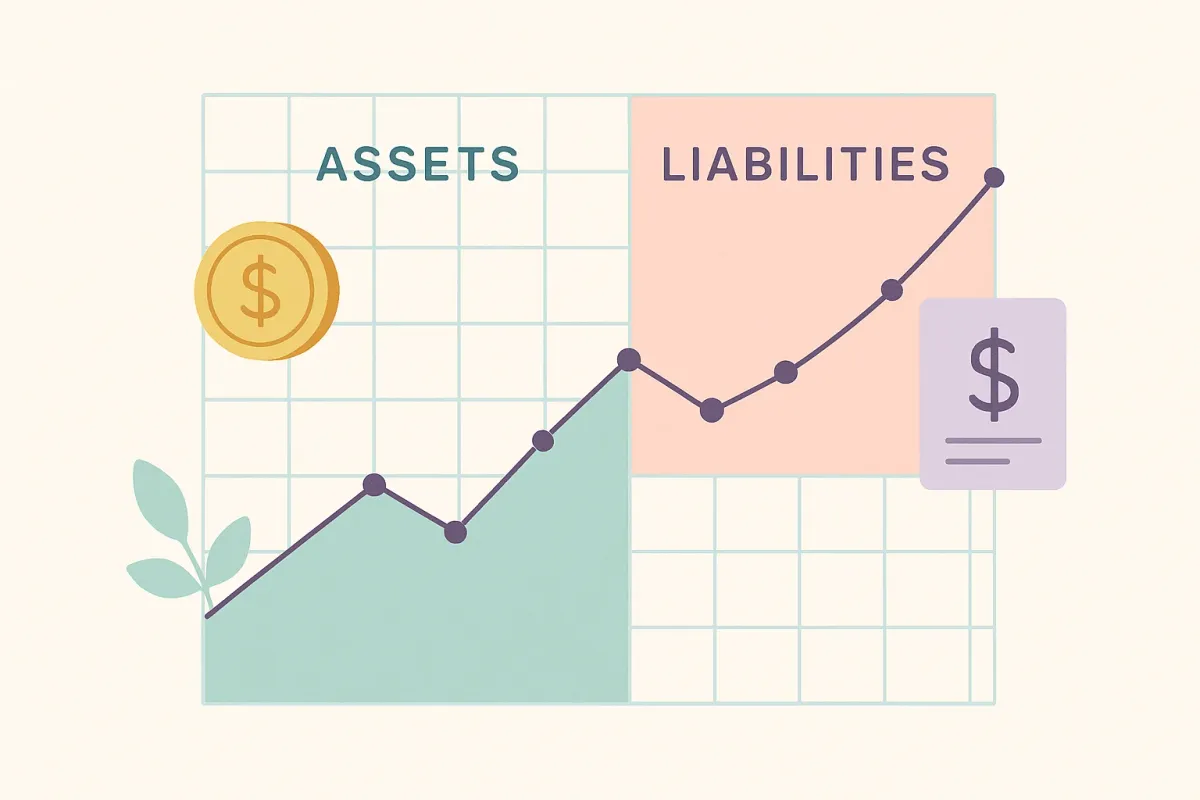
Net worth is the numerical representation of your financial health. It’s calculated by taking the total value of your assets and subtracting your liabilities. Assets include things like your home, car, savings accounts, and investments. Liabilities are debts such as mortgages, car loans, and credit card balances. The result tells you how much you're really worth financially.
If you've ever used spending tracker sheets, you're already familiar with understanding cash flow. Tracking your net worth takes this a step further by incorporating your entire financial landscape.
Why Track Net Worth?
Tracking your net worth gives you a snapshot of your financial progress over time. It helps highlight whether your financial decisions are leading you in the right direction. It's like having a financial GPS that tells you if you're getting closer to your financial goals or if you need to make a U-turn.
For instance, increasing net worth might indicate good savings behavior or wise investments, while a declining net worth could signal rising debts or poor spending habits. If you're already budgeting using a method like the google sheets personal budget template, adding net worth tracking will enhance your financial strategy.
How to Calculate Your Net Worth
Step 1: List Your Assets
Start by listing everything you own that's of value. Here are some categories to consider: - Cash and Cash Equivalents: These include savings and checking account balances. - Investments: Stocks, bonds, retirement accounts, etc. - Property: The market value of your home, car, or any other real estate. - Personal Property: High-value items like jewelry or art.
Step 2: List Your Liabilities
Next, jot down all your debts. Common liabilities include: - Mortgages: The outstanding balance on your home loan. - Loans: Car loans, student loans, personal loans. - Credit Card Debt: The total balance across all credit cards.
Step 3: Subtract Liabilities from Assets
Subtract your total liabilities from your total assets. Voilà! That number is your net worth.
How Often Should You Track Your Net Worth?
Many people wonder how frequently they should check their net worth. While you don’t need to obsessively update it weekly, checking quarterly or biannually can be a sweet spot for most. This frequency allows you to spot trends without becoming overwhelmed by short-term fluctuations. It's similar to looking at a map; frequent check-ins keep you on course without feeling lost.
What Tools Can Help Track Your Net Worth?
You don’t have to track your net worth with just pen and paper. Digital tools can simplify the process. For instance, KlutterAI offers a seamless way to automatically pull in financial data, giving you an up-to-date snapshot of your net worth without manual labor.
You might also explore apps that integrate with your budgeting wallet to give a holistic view of your finances, merging your cash flow analysis with your net worth tracking.
Frequently Asked Questions
How do I track my net worth over time?
Tracking your net worth over time involves regularly updating your asset and liability lists. You can use spreadsheets or personal finance software to log each update, allowing you to visualize changes and trends.
What is a good net worth?
A "good" net worth varies widely based on age, income, lifestyle, and financial goals. Generally, it's more about seeing positive growth over time rather than hitting a specific number.
Can net worth be negative?
Yes, net worth can be negative if your liabilities exceed your assets. This is more common when starting out or if you've recently taken on significant debt. The goal is to work towards a positive net worth.
How can I increase my net worth?
To increase your net worth, focus on reducing liabilities (like paying down debt) and growing your assets (through saving and investing). A structured budget can also help, as detailed in our financial advisor budgeting tips.
Conclusion
Tracking your net worth is like watching a movie of your financial life. It shows where you've been and where you're going. The key is consistency and honesty in your tracking. If you want something that handles this automatically, KlutterAI does just that, offering an easy way to integrate and monitor your wealth. So, go ahead, take that first step to better financial health, and start tracking your net worth today.