Why You Need a Financial Personal Planner
Discover how a financial personal planner can transform your financial life by aligning spending with your life goals. Learn how to choose the right planner.

Ever find yourself staring at your bank statement and wondering where all your money went? Trust me, you're not alone. That's where a financial personal planner comes into play. It's like having a GPS for your finances, helping you navigate through the spending and saving maze. Let's see how this tool can transform your financial life.
What is a Financial Personal Planner?
A financial personal planner is essentially a roadmap for your finances. It's not just about budgeting or saving for a rainy day. It's a holistic approach that helps you align your financial decisions with your life goals. Think of it as your financial BFF, guiding you through life's financial twists and turns.
In my experience, having a planner has been a game-changer. Instead of reacting to financial surprises, I started anticipating them. This proactive approach gave me the confidence to make informed financial decisions, like when I wanted to take a sabbatical to travel.
How Does a Financial Personal Planner Work?
The core of any effective financial personal planner is setting clear, achievable goals. Whether it's buying a house, sending kids to college, or saving for retirement, your planner will help you set realistic targets. But it doesn't stop there. It's about breaking down these goals into manageable steps.
For example, when I was saving for my first home, my planner helped me map out how much to save each month and where to cut unnecessary expenses. This is where understanding your budgeting categories comes in handy, something I've discussed in detail in my previous articles.
Why Should You Consider Using One?
You might be thinking, "I'm managing fine on my own." But here's the thing—more often than not, the little expenses add up. A financial personal planner gives you clarity. It highlights areas where you can save without compromising your lifestyle.
Remember that time you spent $400 a month on takeout without even realizing it? A planner helps shine a spotlight on these habits. By adjusting your categories for budget, you can find the balance between enjoying life now and securing your financial future.
Does a Financial Personal Planner Replace a Financial Advisor?
It’s a common question: "Do I still need a financial advisor if I have a planner?" A financial personal planner and a financial advisor serve different roles. Think of the planner as your day-to-day financial guide, while an advisor is more like a strategist helping you with complex decisions, like investing or tax planning.
In my own journey, having both has been invaluable. My planner helps me manage daily finances, while my advisor offers invaluable insights for long-term wealth building.
How to Choose the Right Financial Personal Planner for You?
Choosing the right planner is a bit like choosing a workout regimen. It needs to fit your lifestyle, be easy to follow, and most importantly, it should motivate you.
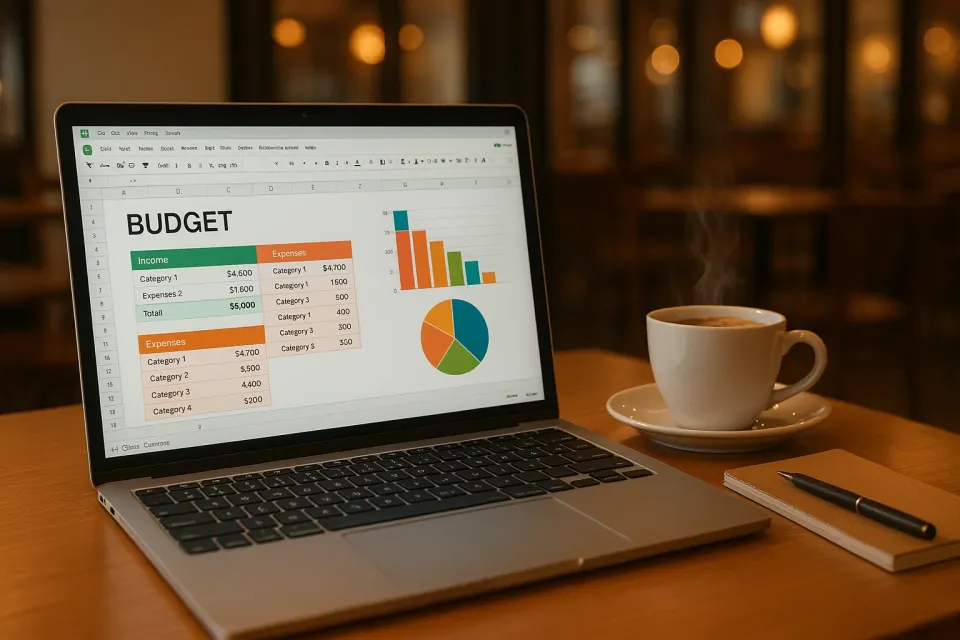
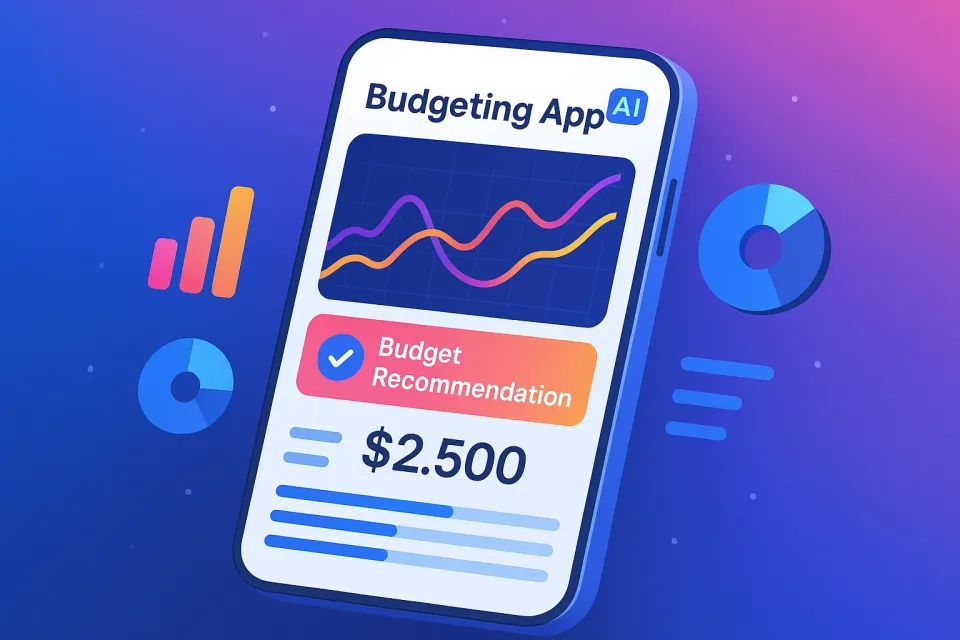
Look for a planner that offers flexibility and adapts to your changing financial needs. Some people might benefit from a good old spreadsheet, while others might prefer digital solutions. Tools like KlutterAI automate and simplify financial tracking, making it less of a chore.
Frequently Asked Questions
What is the difference between a financial personal planner and a budget?
A budget is part of a financial personal planner, but it's not the whole story. A planner includes budgeting, but also focuses on long-term goals, retirement planning, and financial strategies that go beyond monthly spending.
How much should I budget monthly when using a planner?
This varies widely based on your income, expenses, and financial goals. A good starting point is the 50/30/20 rule: 50% on needs, 30% on wants, and 20% on savings. Adjust these categories as you refine your financial plan.
Can a financial personal planner help with debt management?
Absolutely. A planner can help you prioritize debts, create a payoff strategy, and prevent future debt by aligning your spending with your financial goals.
Are there free financial personal planners available?
Yes, there are many free resources available online. However, investing in a comprehensive planner or app might provide more tailored features.
How often should I update my financial personal planner?
Review your planner monthly to track progress and annually to reassess your goals and make necessary adjustments.
If you're feeling overwhelmed by manual tracking, KlutterAI does a fantastic job automating this process, ensuring you stay on top of your financial goals without the hassle.