Essential Home Budget Categories for Financial Success
Discover essential home budget categories to manage your finances effectively. Learn how to organize your spending and saving with these key insights.

Creating a home budget is like drawing up a blueprint for your financial house. You want it sturdy and well-planned, but not so rigid that it doesn't flex with life’s little surprises. The key to a successful budget is having the right categories to track your spending and saving. Let's dive in and look at some home budget categories that can help you manage your finances more effectively.
What Are Home Budget Categories?
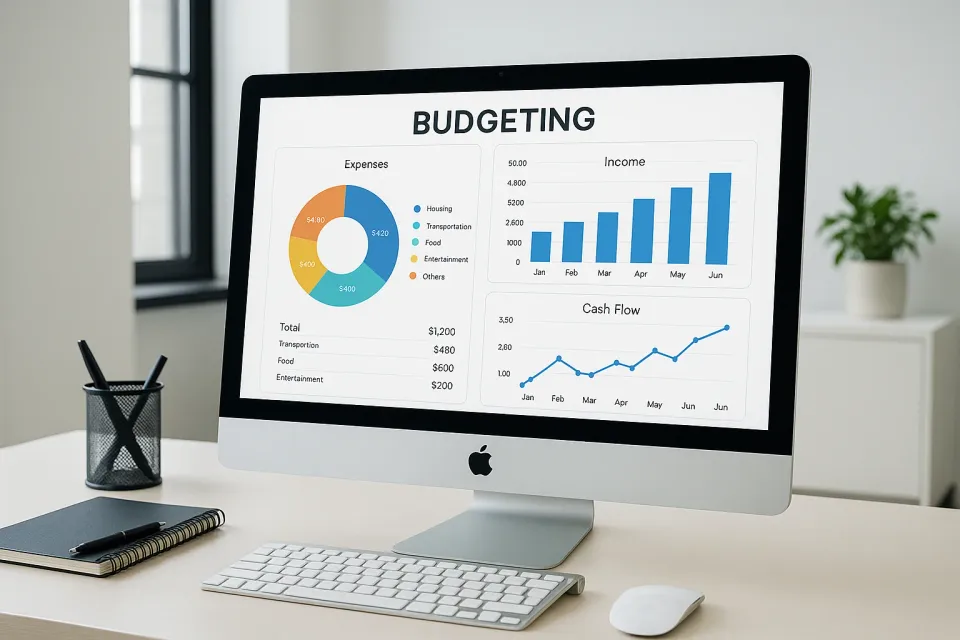
Home budget categories are essentially the buckets into which you sort your income and expenses. I've found that breaking down your spending into categories makes it so much easier to see where your money is going and where you can make adjustments if needed. Imagine you're planning your monthly expenses. Instead of lumping everything together, categories help you organize and prioritize.
Fixed Expenses
Fixed expenses are your non-negotiables. They're like the foundation of your financial house—solid and predictable. These typically include:
- Mortgage or Rent: This is usually your largest expense and should be prioritized.
- Utilities: Water, electricity, gas, and sometimes trash services.
- Insurance Premiums: Health, car, home, and life insurance.
- Loan Payments: Any fixed monthly repayments on personal loans, car loans, or student loans.
Variable Expenses
Variable expenses are more like the furniture of your financial home. They can change from month to month based on your usage and lifestyle choices.
- Groceries: This is a big one for most families. Say you spend $400/month, but sometimes a few spontaneous dinner parties push it up to $500.
- Transportation: Gas, public transit passes, or occasional rideshare services.
- Entertainment: Movie nights, dining out, or weekend getaways.
Mastering Budgeting Categories for Financial Success offers insights on managing these effectively.
Savings and Investments
Saving isn't just a line item; it's a commitment to your future. Treat it as a must-pay "bill" each month.
- Emergency Fund: Aim to build at least 3-6 months' worth of living expenses.
- Retirement Savings: 401(k), IRA, or other retirement accounts.
- Investments: Stocks, bonds, or other investment opportunities.
Discretionary Spending
These are the fun parts of your budget, but they can also be the trickiest to manage. Discretionary spending includes:
- Hobbies: Whether it's knitting, painting, or collecting vintage vinyl.
- Subscriptions: Streaming services, magazines, or software.
- Gifts and Donations: Birthday presents or charitable contributions.
How to Set Home Budget Categories?
Setting up your home budget categories doesn’t have to be complicated. In my experience, starting simple and being realistic is key.
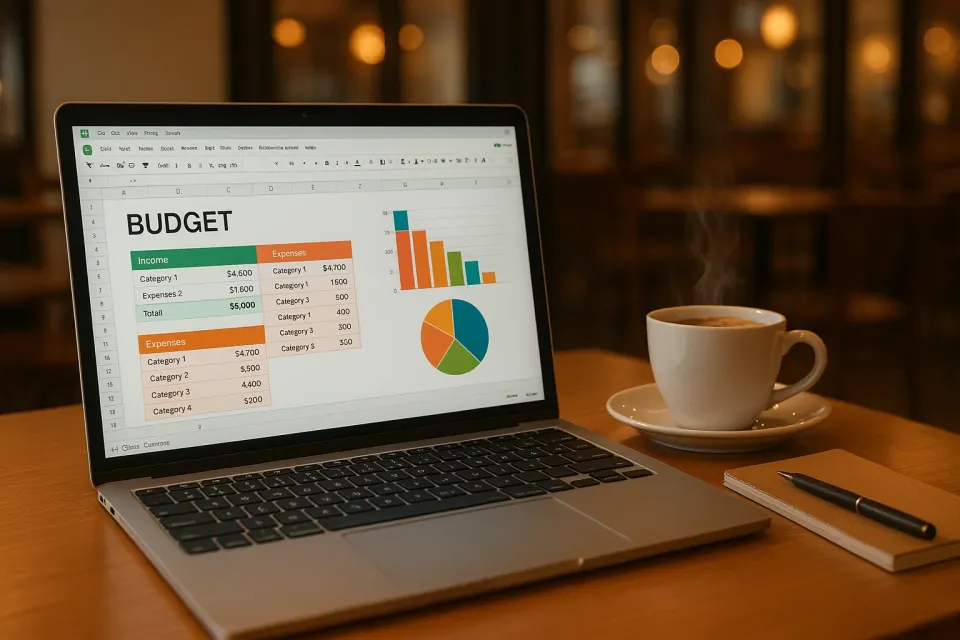
- Track Your Spending: Before you can assign categories, you need to know where your money is currently going. Tools like Google Sheets as an Expenses Tracker can be incredibly helpful.
- Prioritize Needs Over Wants: Focus on essential categories like fixed and variable expenses before allocating funds to discretionary spending.
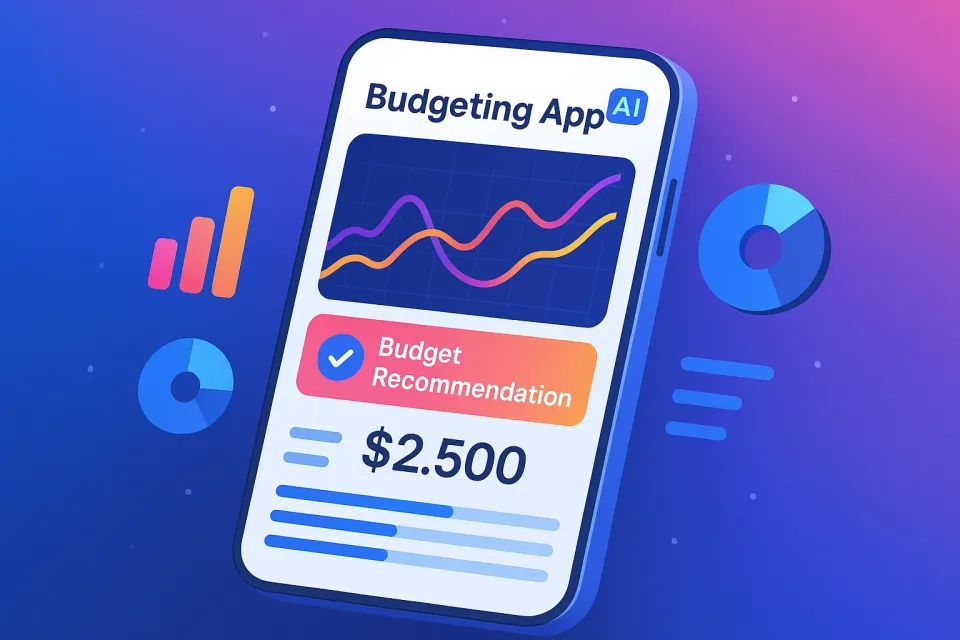
- Use Budgeting Tools: Apps like KlutterAI can automate this process, offering insights and suggestions based on your spending habits.
Why Do I Need Home Budget Categories?
Even if you’re not a numbers person, having a budget helps you regain control over your finances. Home budget categories provide clarity, helping you to:
- Identify Spending Patterns: Notice where you consistently overspend.
- Adjust As Needed: Make informed decisions about cutting back or reallocating resources.
- Achieve Financial Goals: Set and track progress toward savings or debt payoff goals. For more on this, check out Build a Rock-Solid Debt Payoff Plan.
Frequently Asked Questions
What is a good home budget breakdown?
A common guideline is the 50/30/20 rule: 50% on needs, 30% on wants, and 20% on savings and debt repayment.
How can I track my home budget effectively?
Using tools like spreadsheets or budgeting apps can help. Many find KlutterAI beneficial for automating the process.
How do I adjust my budget categories?
Re-evaluate your spending every few months. If your priorities shift, adjust your categories and limits to reflect these changes.
How often should I review my budget?
Monthly reviews are ideal to stay on top of your financial status and make necessary adjustments in a timely manner.
Creating home budget categories might seem daunting at first, but once you start, it becomes a powerful tool for financial freedom. If you want something that handles this automatically, KlutterAI does an excellent job of optimizing your spending by learning your habits and suggesting adjustments.