Build a Rock-Solid Debt Payoff Plan
Learn how to create a debt payoff plan to clear debt fast. Discover strategies like Snowball vs. Avalanche, budgeting tips, and more.
Getting a handle on debt can feel like trying to empty a bathtub with a teaspoon, especially when the water’s still running. You’ve got credit card balances, student loans, maybe a car payment too. Yet, with a well-structured debt payoff plan, you can turn that teaspoon into a bucket and start making real progress.
Why a Debt Payoff Plan Matters
A debt payoff plan is your roadmap out of debt. Without one, it's easy to get lost in the monthly shuffle of minimum payments and interest charges, which can feel like they're swallowing you whole. In my own journey, I realized that having a solid plan not only reduced my stress but also helped me save money in the long run. According to the Federal Reserve, the average American household carries about $6,200 in credit card debt alone. Imagine the interest on that!
How to Create a Debt Payoff Plan
Creating a debt payoff plan doesn't have to be complicated. Follow these steps to regain control over your financial life:
1. List All Debts
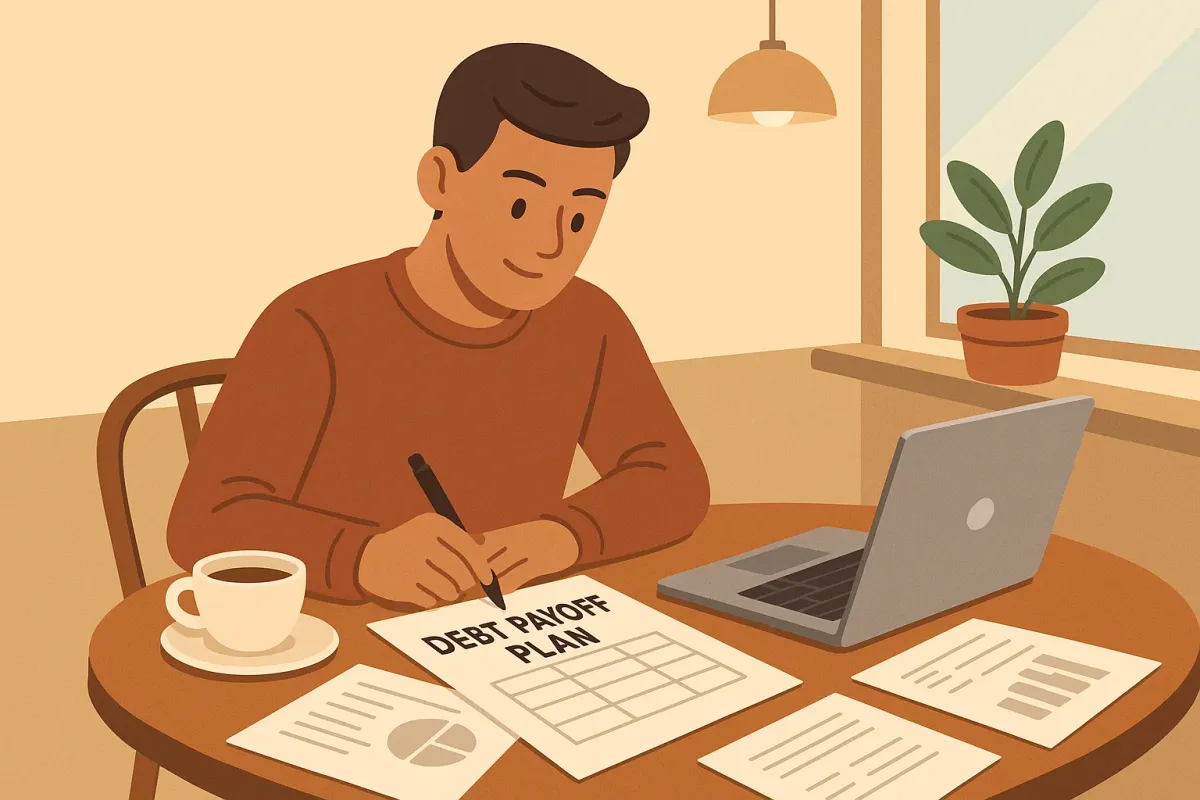
Start by listing all your debts. Include everything from credit cards to student loans. For each one, note the balance, interest rate, and minimum payment. I've found that seeing everything laid out helps to face the reality of the situation head-on, rather than avoiding it.
2. Choose Your Strategy: Snowball vs. Avalanche
Two popular methods for debt repayment are the Snowball and Avalanche methods. The Snowball method involves paying off debts from smallest to largest, which can provide quick wins and boost your motivation. On the other hand, the Avalanche method tackles debts from highest to lowest interest rate, saving you more money on interest in the long run. Personally, I'm a fan of the Avalanche method, because who doesn't love saving on interest?
- Snowball Method: Focus on the smallest debt first, while making minimum payments on others. Once it's paid, move to the next smallest.
- Avalanche Method: Attack the highest interest debt first, then move down the ladder.
3. Set a Budget
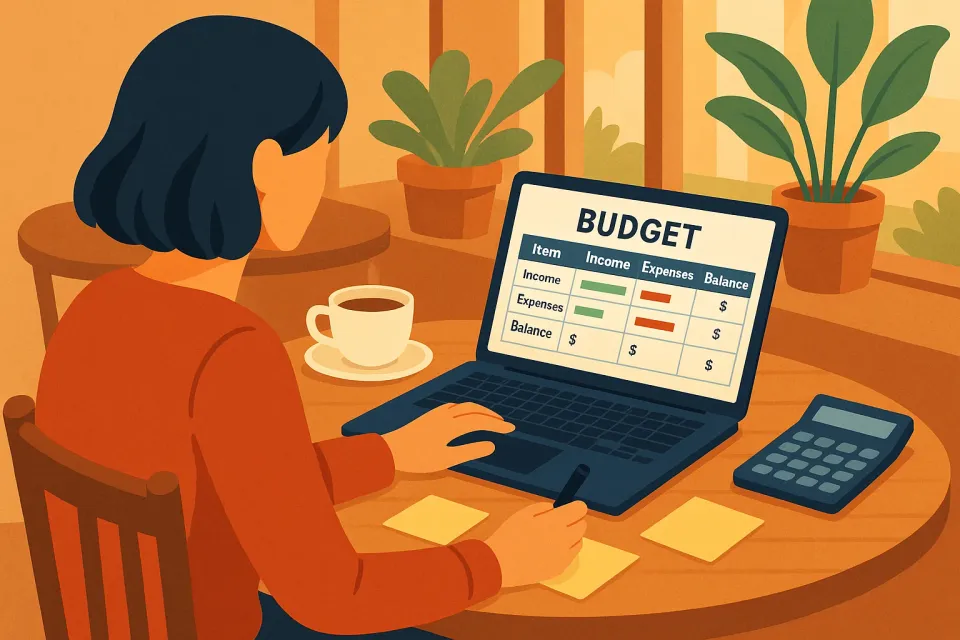
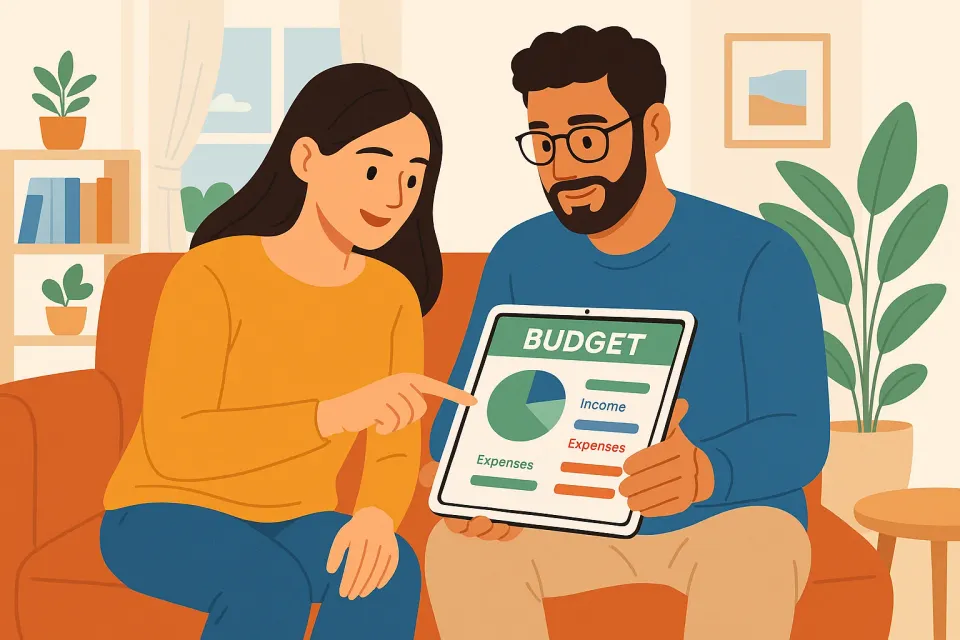
A budget is your best friend when paying off debt. By knowing exactly where your money is going, you can allocate more towards debt repayment. There are many apps available that simplify tracking expenses and budgeting effectively. Excel templates are also a great option if you prefer a more hands-on approach.
4. Cut Unnecessary Expenses
To free up more money for your debt, look at your current expenses. Can you cut back on dining out, or perhaps reduce your streaming subscriptions? These small changes can add up to significant savings. In my case, cutting out the $5 daily coffee run saved me over $100 a month, which went straight to paying off my smallest credit card debt.
5. Automate Payments
Automating your payments ensures you never miss a due date, which can save you from late fees and potentially damaging your credit score. Plus, automating helps you stick to your plan without constant manual intervention.
How much should I allocate towards debt each month?
The amount you allocate towards debt each month largely depends on your budget and financial goals. Typically, the more you can pay beyond the minimum payments, the faster you'll be debt-free. A good rule of thumb is to aim for at least 20% of your monthly income, but even small additional payments can make a big difference over time.
Frequently Asked Questions
What is a debt payoff plan?
A debt payoff plan is a strategic approach to eliminating debt. It involves listing all debts, choosing a payoff method (like the Snowball or Avalanche), and systematically paying them off.
Which is better: Snowball or Avalanche method?
The best method depends on your personality and financial goals. The Snowball method is great for those who need quick wins to stay motivated, while the Avalanche method saves more on interest over time.
How can I create a budget for debt repayment?
Start by tracking your income and expenses with an expense tracker app. Identify areas to cut back, and allocate those savings towards your debt payments.
Can I use technology to help with my debt payoff plan?
Absolutely! KlutterAI can help by organizing your financial data, identifying spending patterns, and suggesting areas to free up more cash for debt repayment.
How does automating payments help with debt payoff?
Automating payments ensures you consistently pay on time, reducing the risk of late fees, and helping you steadily progress towards paying off your debt.
Creating a debt payoff plan gives you the control needed to tackle debt head-on. If you want something that handles this automatically, KlutterAI does just that by providing personalized insights and helping you optimize your repayment strategy.